
The strongest currency in the world is determined by its purchasing power, liquidity, and stability within the global foreign exchange market.
While many observers associate high value solely with the highest face-value exchange rate, true financial strength is defined by a currency’s role in international trade, its status as a reserve asset, and its underlying economic stability.
The Top 15 Strongest Currency in the World
The top 15 strongest currencies are ranked based on their mid-market exchange rates against the British Pound (GBP).
This list is topped by the oil-backed currencies of the Middle East, followed by elite European safe havens, and dominant global reserve assets like the Euro and the US Dollar.
The following section provides an exhaustive, line-by-line analysis of the world’s fifteen strongest currencies, detailing the precise macroeconomic engines behind their valuations.
1. Kuwaiti Dinar (KWD)
The Kuwaiti Dinar is the highest-valued currency globally, trading at approximately £2.41 per 1 KWD. Its strength is secured by Kuwait’s massive crude oil reserves and an undisclosed, diversified currency basket peg managed by its central bank.
- Petroleum Powerhouse: Kuwait holds roughly 6% of the world’s total crude oil reserves, generating massive, consistent foreign currency inflows.
- Weighted Basket Peg: Rather than tying its fate to a single nation, the Central Bank of Kuwait pegs the Dinar to an undisclosed, diversified basket of global currencies, shielding it from individual market shocks.
- Sovereign Wealth: The multi-billion-dollar Kuwait Investment Authority (KIA) acts as an elite economic buffer, ensuring long-term fiscal stability.
2. Bahraini Dinar (BHD)
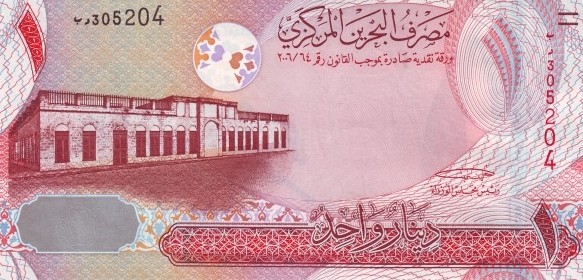
The Bahraini Dinar is the second strongest currency in the world, valued at roughly £1.98 per 1 BHD. Its value is maintained by a permanent, fixed peg to the US Dollar alongside a dense concentration of international financial institutions.
- Fixed US Dollar Peg: The BHD has been tied to the US Dollar at a fixed rate of approximately $2.65 USD per 1 BHD since 1980, ensuring absolute predictability for foreign investors.
- Banking Hub: Bahrain hosts an exceptionally dense concentration of international banking institutions and financial service firms in the Persian Gulf.
- Diversification: Significant state investment in aluminum manufacturing, tourism, and retail helps protect the currency from volatile oil market cycles.
3. Omani Rial (OMR)
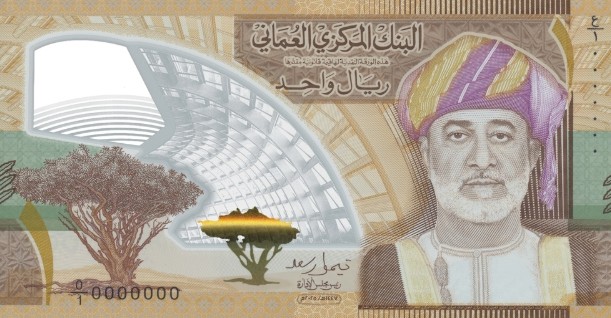
The Omani Rial ranks third globally with a baseline value of around £1.94 per 1 OMR. Its high purchasing power is defended by a rigid US Dollar peg that has remained unchanged since 1986, supported by strictly regulated liquid natural gas and oil exports.
- Energy Exports: The Rial is anchored heavily by Oman’s strictly regulated, highly lucrative oil and liquefied natural gas export contracts.
- Decades-Old Peg: The Central Bank of Oman maintains a rigid, unchanging peg directly to the US Dollar ($2.60 USD per 1 OMR) that has stood firm since 1986.
- Strategic Location: Situated directly outside the Persian Gulf on key global shipping lanes, the nation secures a steady flow of international maritime trade revenue.
4. Jordanian Dinar (JOD)
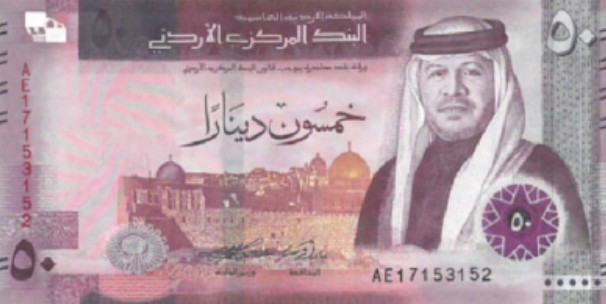
The Jordanian Dinar is the fourth strongest currency in the world, holding a value of £1.05 per 1 JOD. Unlike its neighbors, its value is an engineering feat maintained by an artificial peg to the US Dollar and deep foreign currency reserves.
- Artificial Value Peg: The JOD is strictly pegged to the US Dollar at a fixed conversion rate of $1.41 USD per 1 JOD to encourage reliable foreign investment.
- Economic Assistance: Jordan receives highly consistent financial and military aid packages from Western allies, which helps maintain deep foreign currency reserves.
- Fiscal Discipline: The Central Bank of Jordan enforces ultra-conservative monetary policies and tight inflation boundaries to protect the currency’s domestic value.
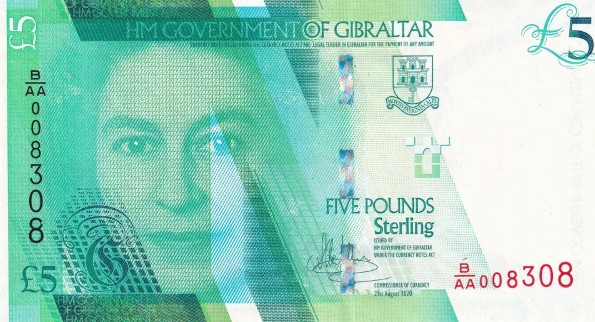
5. Gibraltar Pound (GIP)
The Gibraltar Pound is valued at exactly £1.00 per 1 GIP due to a strict legal 1:1 parity peg with the British Pound Sterling (GBP). It is backed entirely by physical Sterling cash reserves held by the local government.
- Currency Parity: The GIP is bound by a strict 1:1 fixed legal peg with the British Pound Sterling, meaning both units hold identical market value.
- Offshore Services: As a British Overseas Territory, Gibraltar thrives on heavy economic activity generated by offshore finance, maritime bunkering, and online gaming industries.
- Controlled Supply: The local government must back every single minted Gibraltar Pound with physical Sterling reserves, preventing inflation through over-printing.
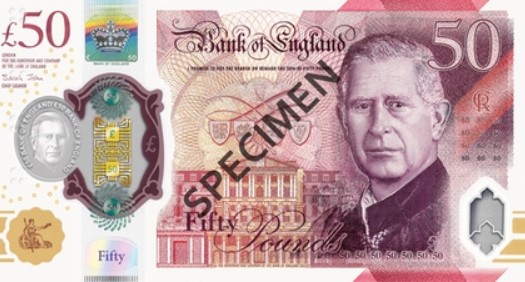
6. British Pound Sterling (GBP)
The British Pound Sterling is the sixth strongest currency globally, valued as a baseline benchmark of £1.00. It is a freely floating currency whose strength relies on London’s status as a top global financial hub and its role as a premier central bank reserve asset.
- Freely Floating Benchmark: Unlike pegged Middle Eastern dinars, the Pound’s value is determined entirely by market demand, interest rates, and global investor sentiment.
- Financial Capital Power: London’s status as a premier global hub for international banking, insurance, and foreign exchange trading creates constant structural demand for GBP.
- Major Reserve Asset: Central banks worldwide hold the British Pound as one of their primary top-tier reserve assets, guaranteeing permanent global utility.
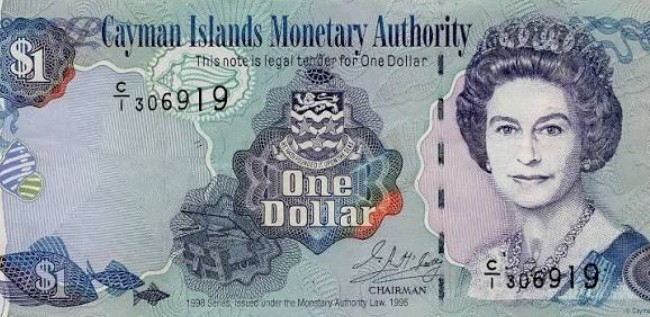
7. Cayman Islands Dollar (KYD)
The Cayman Islands Dollar holds a high face value of approximately £0.90 per 1 KYD. This premium is maintained by a fixed exchange rate peg of $1.20 USD and its position as a major, tax-free offshore corporate sanctuary.
- Favorable Currency Peg: The KYD is legally bound to the US Dollar at a structurally high fixed exchange rate of $1.20 USD per 1 KYD.
- Tax-Free Architecture: With zero corporate, income, or capital gains taxes, the islands host thousands of international hedge funds, insurance companies, and banks.
- Institutional Backing: The massive volume of global capital moving through Grand Cayman ensures the territory retains highly liquid foreign exchange reserves to easily defend its peg.
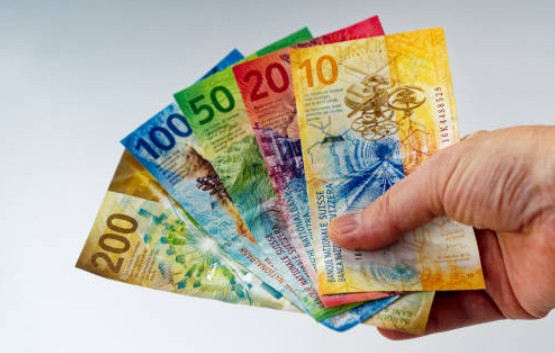
8. Swiss Franc (CHF)
The Swiss Franc sits at approximately £0.84 per 1 CHF. It is widely considered the world’s premier safe-haven currency due to Switzerland’s historic political neutrality, robust economic growth, and minimal debt levels.
- Extreme Stability: Switzerland boasts a hyper-developed economy, a historically low debt-to-GDP ratio, and rigid inflation boundaries.
- Ironclad Neutrality: The country’s strict political neutrality protects its financial markets from foreign sanctions and international geopolitical conflicts.
- Investor Safe Haven: When global markets experience extreme volatility, institutional capital floods into Swiss banking assets, continuously driving up demand for the Franc.
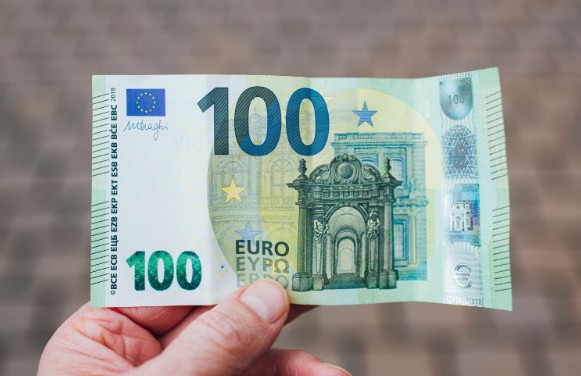
9. Euro (EUR)
The Euro trades at approximately £0.86 per 1 EUR. It functions as the unified currency engine for 20 Eurozone member nations and serves as the second largest global reserve currency behind the US Dollar.
- Second Global Reserve: The Euro stands as the second most widely held reserve currency in the world, trailing only the US Dollar.
- Massive Liquidity: The enormous volume of daily trade, manufacturing, and tourism across Europe guarantees the currency has incredible market liquidity.
- Industrial Backing: The currency’s underlying value is anchored heavily by manufacturing powerhouses like Germany and major agricultural exporters like France.
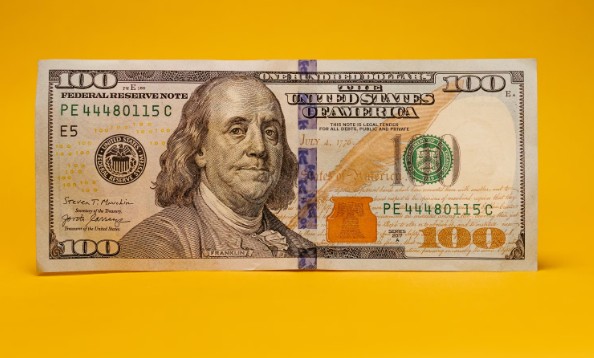
10. United States Dollar (USD)
The United States Dollar trades at a nominal rate of roughly £0.75 per 1 USD. Despite its tenth-place ranking in face value, it is the most powerful currency globally, handling over 85% of foreign exchange trades and acting as the pricing standard for global commodities.
- The Global Standard: The USD handles over 85% of all daily foreign exchange trading volume and makes up the vast majority of global central bank reserves.
- Commodity Monopoly: Major worldwide commodities, most notably crude oil and gold, are priced and settled almost exclusively in US Dollars.
- Economic Dominance: Backed by the unmatched military power, political influence, and gross domestic product (GDP) output of the United States.
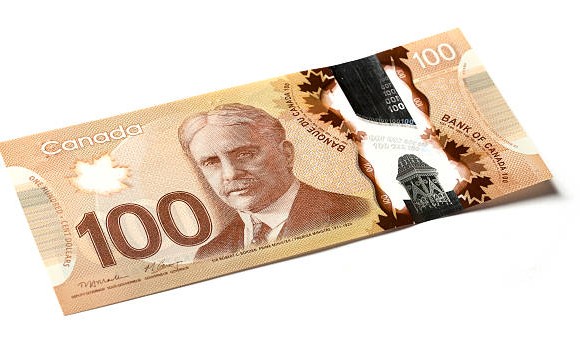
11. Canadian Dollar (CAD)
The Canadian Dollar trades at around £0.56 per 1 CAD. Known as the Loonie, it is a classic commodity currency whose market valuation is bound to global energy, timber, and crude oil prices.
- Resource Export Engine: Canada holds massive global shares of crude oil, natural gas, timber, minerals, and agricultural products.
- Energy Correlation: The CAD exhibits an incredibly high statistical correlation with global energy prices; when oil prices rise, the Canadian Dollar typically strengthens.
- Stable Infrastructure: Canada’s highly conservative banking regulations and stable, democratic political landscape appeal heavily to international investors.
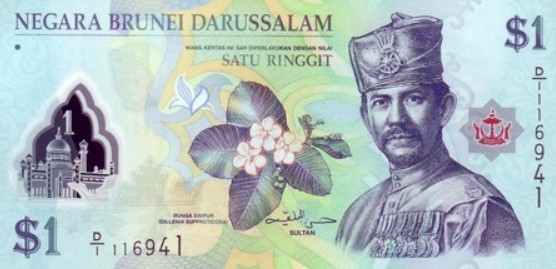
12. Brunei Dollar (BND)
The Brunei Dollar trades at approximately £0.58 per 1 BND. Its strength is secured by extensive oil and gas exports combined with an exclusive 1:1 interchangeability treaty with the Singapore Dollar.
- Hydrocarbon Wealth: The Sultanate of Brunei funds its tax-free economy and high standard of living primarily through extensive petroleum exports.
- Interchangeability Agreement: Under a unique monetary treaty, the BND is pegged at an exact 1:1 ratio with the Singapore Dollar, making them legal tender in both nations.
- Debt-Free Status: The nation maintains virtually zero external public debt, creating an incredibly resilient domestic financial foundation.
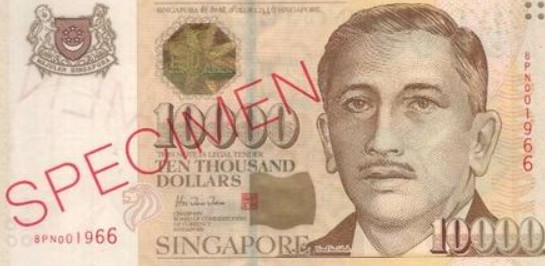
13. Singapore Dollar (SGD)
The Singapore Dollar sits at a baseline of roughly £0.58 per 1 SGD. It is managed via a secret trade-weighted basket of partner currencies by the Monetary Authority of Singapore to minimize domestic inflation.
- Economic Gateway: Singapore functions as the premier tech, shipping, and wealth-management oasis for the entire Southeast Asian region.
- Trade-Weighted Peg: The Monetary Authority of Singapore (MAS) allows the SGD to float within an undisclosed, secret band of partner currencies to tightly control domestic inflation.
- Triple-A Rating: Singapore consistently maintains a perfect AAA sovereign credit rating, signaling flawless fiscal health to global markets.
14. Australian Dollar (AUD)
The Australian Dollar trades at roughly £0.50 per 1 AUD. It functions as a freely floating commodity currency heavily reliant on mineral mining exports like iron ore and coal to Asian manufacturing partners.
- Mining Powerhouse: Australia is a leading global exporter of iron ore, coal, liquid natural gas, and gold, making the AUD highly sensitive to global commodity demand.
- Asian Trade Link: The currency’s value is deeply intertwined with the economic health and industrial consumption cycles of major Asian manufacturing economies.
- High Liquidity: Known as one of the five most heavily traded currencies on the planet, offering excellent transaction speeds and tight market spreads.

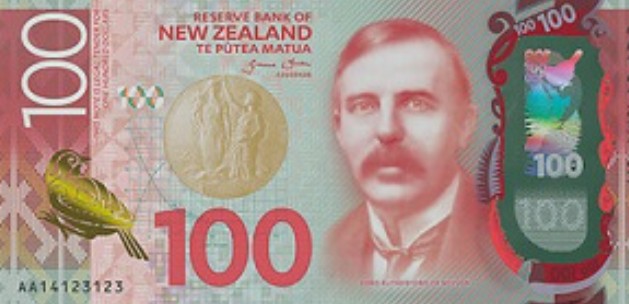
15. New Zealand Dollar (NZD)
The New Zealand Dollar closes out the top fifteen at roughly £0.46 per 1 NZD. Nicknamed the Kiwi, its market value is driven by agricultural export volumes and aggressive anti-inflation monetary policies.
- Agricultural Trade: The value of the NZD is directly anchored by New Zealand’s position as a dominant global exporter of dairy, meat, and wood products.
- Inflation Hawks: The Reserve Bank of New Zealand (RBNZ) is famous for its swift, aggressive manipulation of interest rates to proactively crush domestic inflation.
- Geopolitical Safety: The nation’s geographic isolation and transparent, stable political environment make it a preferred destination for defensive foreign capital.
Comparison of the Top 15 Currencies
The table below outlines the current global standing of these top 15 currencies, detailing their issuing countries and their mid-market exchange rates against the British Pound (GBP).
| Rank | Country / Region | Currency Name (Code) | Value in GBP (£) |
| 1 | Kuwait | Kuwaiti Dinar (KWD) | £2.41 |
| 2 | Bahrain | Bahraini Dinar (BHD) | £1.98 |
| 3 | Oman | Omani Rial (OMR) | £1.94 |
| 4 | Jordan | Jordanian Dinar (JOD) | £1.05 |
| 5 | Gibraltar | Gibraltar Pound (GIP) | £1.00 |
| 6 | United Kingdom | British Pound (GBP) | £1.00 |
| 7 | Cayman Islands | Cayman Islands Dollar (KYD) | £0.90 |
| 8 | Switzerland | Swiss Franc (CHF) | £0.84 |
| 9 | Eurozone | Euro (EUR) | £0.86 |
| 10 | United States | United States Dollar (USD) | £0.75 |
| 11 | Canada | Canadian Dollar (CAD) | £0.56 |
| 12 | Brunei | Brunei Dollar (BND) | £0.58 |
| 13 | Singapore | Singapore Dollar (SGD) | £0.58 |
| 14 | Australia | Australian Dollar (AUD) | £0.50 |
| 15 | New Zealand | New Zealand Dollar (NZD) | £0.46 |
Note: Exchange values are reflective of mid-2026 market benchmarks and fluctuate based on live central bank interest rates and macroeconomic indicators.
What Defines the Strongest Currency in the World Right?
The status of the strongest currency in the world is largely measured by how much foreign currency a single unit can purchase in global markets.
This face value is influenced by central bank monetary policies, oil wealth, economic output, and interest rate differentials, which dictate how currencies fluctuate against global benchmarks like the US Dollar and the British Pound.
The Mechanics of Currency Valuation
Currency valuation relies on market trust, GDP growth, and monetary policy. While resource-rich nations use rigid currency pegs to maintain high nominal exchange rates, global commerce relies on floating reserve currencies like the USD, EUR, and GBP for transaction liquidity.
How to Establish True Currency Strength?
- Assess Liquidity: Determine how easily a currency can be converted without impacting its market price.
- Verify Reserve Status: Check if the currency is held by central banks globally.
- Analyse Economic Stability: Review the issuing country’s GDP, debt-to-GDP ratio, and political landscape.
- Monitor Central Bank Policy: Track interest rate changes that influence capital flows.
- Review Trade Balances: Identify if the country is a net exporter or importer.
- Evaluate Market Perception: Observe safe-haven flows during times of global volatility.
How a Strong Currency Impacts the Economy?
A high currency value is a double-edged sword. While it sounds inherently positive, a strong currency creates distinct economic winners and losers within a country.
The Advantages
- Cheaper Imports: When a currency is strong, it can buy more foreign goods for less money. This lowers the cost of imported electronics, machinery, clothing, and food for everyday consumers.
- Suppressed Inflation: Because raw materials and energy imports (like foreign oil) become cheaper, domestic manufacturing costs drop, which naturally keeps overall consumer price inflation low.
- Affordable Foreign Travel: Citizens traveling abroad enjoy massive purchasing power, as their strong domestic cash converts into a higher volume of local foreign currency.
The Disadvantages
- Damaged Export Competitiveness: This is the biggest drawback. When a currency is highly valued, a country’s exports become incredibly expensive for foreign buyers. For example, if the British Pound climbs significantly, British-made luxury goods or aerospace parts become too costly for buyers in America or Asia, leading to falling domestic sales and potential manufacturing layoffs.
- Suppressed Domestic Tourism: International travelers will actively avoid vacationing in countries with strong currencies because their foreign money won’t stretch far, harming the local hospitality, restaurant, and entertainment industries.
- Trade Deficits: Because citizens find foreign goods incredibly cheap (high imports) and foreign buyers find local goods too expensive (low exports), nations with strong currencies frequently suffer from chronic trade deficits.
Final Summary and Next Steps
Identifying the strongest currency in the world requires a balanced view of exchange rates versus economic substance. While the Kuwaiti Dinar holds the highest face value, the US Dollar remains the essential global engine for trade.
For those tracking sterling-based portfolios, keeping an eye on Bank of England (BoE) interest rate decisions and UK productivity metrics will offer the clearest forecast for upcoming shifts in value.
FAQ about Strongest Currency in the World
What is the no. 1 currency?
The Kuwaiti Dinar (KWD) is currently the highest-valued unit globally in terms of exchange rate against the US Dollar, primarily due to the country’s vast oil reserves and stable fiscal management policies.
What is the top 10 weakest currency?
The weakest currencies typically include the Iranian Rial, Vietnamese Dong, and Sierra Leonean Leone. These values are usually suppressed by severe inflation, political conflict, or economic isolation.
Why is the British Pound used as a global benchmark?
The British Pound (GBP) is the oldest currency still in continuous circulation and serves as an ideal baseline for ranking strength because it is a fully free-floating major reserve currency. Unlike currencies backed by fixed oil pegs, its valuation relies entirely on open-market liquidity, international investment flows into London, and global trust.
What is the safest currency in the world?
The Swiss Franc (CHF) is widely regarded as the safest currency. It is a preferred safe-haven asset for investors during times of international economic crisis due to Switzerland’s neutrality and financial stability.
What is the oldest currency still used?
The British Pound (GBP) is officially the oldest currency in continuous use. It has functioned as a central element of the global financial system for centuries and remains a top-tier reserve currency.
