
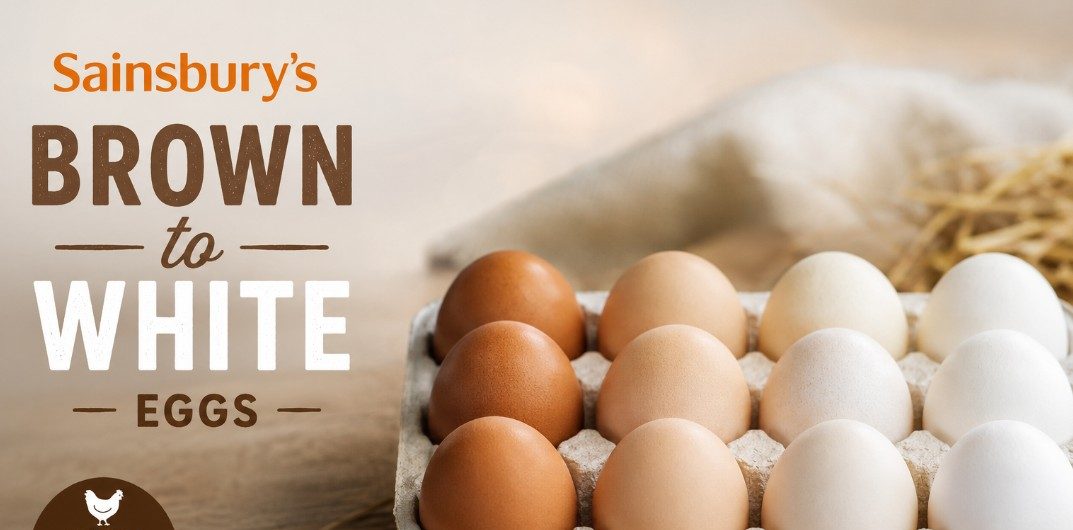
Sainsbury’s is permanently replacing traditional options with a full rollout of Sainsbury’s brown to white eggs across all 1,500 UK stores to reduce supply chain carbon emissions by 12.7%.
The complete transition across its own-brand range relies on highly efficient White Leghorn hens, maintaining identical retail prices, egg sizes, and free-range welfare standards.
The nationwide rollout of Sainsbury’s brown to white eggs represents the largest structural shakeup in the British poultry sector in decades. By phasing out traditional brown eggs, the retailer aims to align its grocery supply chain with binding net-zero targets while introducing a highly efficient avian breed to British free-range fields.
Why is Sainsbury’s Brown to White Eggs Transition happening?
Sainsbury’s has phased out own-brand brown options in favour of Sainsbury’s brown to white eggs to achieve a 12.7% reduction in environmental impact, lower feed consumption, and improved avian welfare.
White-feathered hens live longer and require significantly fewer agricultural resources, supporting the supermarket’s corporate commitment to reach net-zero operational emissions by 2035.
The Environmental Blueprint Behind the Supermarket Shift
The environmental transition across Sainsbury’s supply chain leverages the natural biological efficiencies of White Leghorn hens, requiring 12.7% fewer resource inputs to deliver identical high-quality yields.
The transition away from brown egg production is rooted in data-driven environmental metrics rather than consumer preference.
A comprehensive lifecycle assessment conducted by SAC Consulting utilised the internationally recognised PAS 2050 environmental management standards to measure the total greenhouse gas emissions of commercial poultry flocks.
The findings confirmed that introducing Sainsbury’s brown to white eggs yields a 12.7% reduction in carbon footprint compared to traditional brown egg systems.
This reduction stems from the biological efficiency of the hens. White-feathered birds have a significantly lower feed conversion ratio, meaning they require substantially less land, water, and crop cultivation to produce the same volume of eggs as brown layers.
By lowering feed consumption, the retailer indirectly mitigates the environmental pressures associated with global soy and grain farming, which remain major contributors to agricultural supply chain emissions.
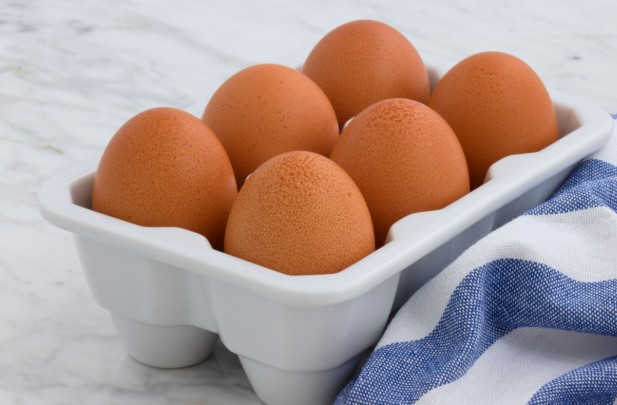
Are White Eggs Healthier Than Brown Eggs?
No, white eggs are not less healthy than brown eggs; they possess the exact same nutritional profile, macronutrients, and caloric density. Chemical composition and egg quality remain completely identical when comparing birds raised under equivalent dietary and environmental farming frameworks.
Nutritional Profile of Standard White vs. Brown Eggs
The internal nutritional values of white and brown eggs are identical, with both delivering 12.6g of protein, 131 kcal of energy, and essential vitamins per 100g serving.
| Nutrient Component | Average Value per 100g | Daily Value Contribution (UK RI) |
| Total Energy | 131 kcal / 547 kJ | 6.5% |
| Protein Content | 12.6 g | 25.2% |
| Total Lipids (Fats) | 9.0 g | 12.8% |
| Saturated Fatty Acids | 2.5 g | 12.5% |
| Vitamin D3 | 3.2 µg | 64.0% |
| Vitamin B12 (Cobalamin) | 2.1 µg | 84.0% |
| Iron (Bioavailable Fe) | 1.9 mg | 13.5% |
A common misconception among UK shoppers is that white shells indicate a pale, low-nutrient yolk or a thin, easily broken exterior. Yolk colour is dictated entirely by the presence of carotenoids in the hen’s feed, such as maize, marigold petals, or alfalfa, not by the breed of the bird.
Sainsbury’s has formulated its flock rations to ensure that the newly introduced white eggs maintain the deep, golden yolk characteristics highly favoured by British consumers.
Furthermore, because White Leghorns retain high calcium absorption rates late into their laying cycles, the structural integrity and thickness of the white shell match or exceed traditional brown variations.
What Makes Brown Eggs Different from White Eggs at Sainsbury’s?
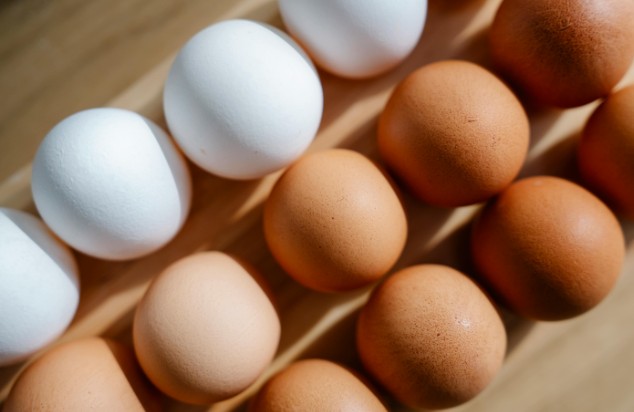
Eggshell colour is determined entirely by the specific genetic breed of the laying hen and its genes, not by food, lifestyle, or chemical bleaching.
White Leghorn hens lack shell-tinting pigments, whereas traditional brown-egg breeds secrete a pigment called protoporphyrin IX that coats the calcium carbonate shell brown.
Supermarket Shell Colouration Variables
| Biological/Production Metric | White-Shelled Eggs | Brown-Shelled Eggs |
| Primary Hen Breed | White Leghorn / Hybrid Whites | Rhode Island Red / Bovans Brown |
| Shell Pigment Compound | None (Pure Calcium Carbonate) | Protoporphyrin IX Coating |
| Feed Intake per Dozen Eggs | Approximately 1.1 kg to 1.2 kg | Approximately 1.3 kg to 1.5 kg |
| Average Commercial Lifespan | Up to 100 weeks of high production | Up to 72–80 weeks of high production |
| Flock Welfare & Feather Integrity | High (Low incidence of feather pecking) | Moderate (Higher risk of systemic stress) |
| Carbon Footprint Impact | 12.7% Reduction (PAS 2050 verified) | Standard UK baseline |
Historically, the UK market underwent a significant shift during the late 1970s. Before this period, white eggs were commonplace in British pantries.
However, early supermarket marketing campaigns began linking brown shells with rustic, traditional farming and superior nutritional value.
This historical marketing legacy created a long-standing consumer bias, despite the underlying science proving that shell colour has zero influence on the interior components of the egg.
The science behind the switch to white eggs
Sainsbury’s eggs are white now because the supermarket has transitioned its sourcing to White Leghorn hens. These birds possess superior feed efficiency, requiring significantly fewer resources to produce eggs, while demonstrating calmer behavioural traits that drastically reduce flock management issues such as feather pecking in free-range environments.
The Biology and Behaviour of the White Leghorn Hen
White Leghorn hens possess a lower body mass that reduces their baseline metabolic energy demands, allowing them to channel nutrients into egg formation far more efficiently than heavier brown variants.
The driving force behind this supermarket transition is the reintroduction of the White Leghorn hen into the British poultry sector. Historically dominant in global egg production, this breed is structurally smaller and more agile than the heavier Rhode Island Red variants typically used for brown egg production.
White Leghorn Breed Profile
- Origin: Tuscany, Italy
- Shell Colour: Pristine White
- Temperament: Active, docile, low aggression
- Resource Demand: Minimal feed-to-egg ratio
In practice, large-scale poultry management evaluations demonstrate that white-feathered breeds exhibit superior behavioural stability.
They display significantly lower rates of feather pecking, a common welfare challenge in free-range systems where stressed birds damage each other’s plumage.
The docile nature of these birds allows UK farmers to maintain high animal welfare indicators naturally, reducing flock mortality and ensuring a more consistent, humane production environment.
Do Sainsbury’s Sell White Eggs in All Formats?
Yes, Sainsbury’s sells white eggs across its complete own-brand egg inventory, including standard mid-tier cartons, large boxes, and organic lines. Speciality options like Clarence Court Traditional Leghorn Whites remain available alongside the core white supply.
What to look out for on your next Sainsbury’s shop?
Shoppers tracking the white egg rollout should look for updated own-brand cartons, the British Lion safety stamp, and the premium Taste the Difference Golden Yolk line, which features white shells with rich orange yolks.
- Point 1: Look for the updated own-brand packaging across standard medium and large boxes, which now clearly display the white-shelled varieties.
- Point 2: Check for the British Lion mark on the carton and the shell, guaranteeing identical British safety and quality standards.
- Point 3: Spot the premium Taste the Difference Golden Yolk line, which features white shells but guarantees the rich, deep-orange yolk British shoppers prefer.
- Point 4: Rest assured that the Best Before dates and tracking codes remain clearly stamped on the packaging for complete transparency.
Industry analysts note that uniform product transitions significantly streamline supermarket distribution networks.
By standardising on white-shelled variants, the corporate infrastructure removes sorting complexities, ensuring more reliable deliveries from regional packing centres to urban hubs.
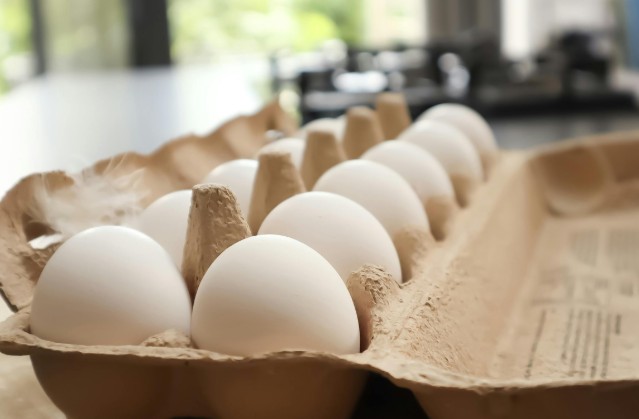
Where Do Sainsbury’s Get Their Eggs From?
Sainsbury’s sources its entire shell egg inventory from a dedicated network of verified British farms comprising the Sainsbury’s Egg Group.
This framework operates via a cost-of-production pricing model, which decouples farmer compensation from volatile global grain markets, ensuring long-term financial viability for domestic producers during large-scale breed transitions.
The Domestic Supply Chain and Agricultural Adaptation
The operational deployment of this strategy requires careful coordination with the British Egg Industry Council. Currently, white-egg-laying hens comprise approximately 15% of the total UK national commercial flock.
To scale this production to meet full supermarket volumes, the supply chain must undergo a multi-year phased replacement cycle as older brown flocks reach the end of their natural productivity lifecycle.
UK Commercial Egg Supply Distribution
- National Flock – White Layers: 15% (Expanding)
- National Flock – Brown Layers: 85% (Phasing down in select supply chains)
This structural shift brings specific regional considerations, particularly for agricultural sectors in Wales and South West England, which collectively generate over one-fifth of the UK’s free-range egg volume.
Farmers transitioning to White Leghorn stock must adjust automated nesting boxes and internal aviary lighting systems to accommodate the smaller, more active physical nature of the white layers.
However, the extended productive lifespan of the breed, often remaining economically viable up to 100 weeks compared to just 72 weeks for brown birds, provides a distinct capital advantage for independent producers over time.
Will Sainsbury’s Eggs Remain 100% Free-Range?
The supermarket has issued a binding corporate assurance that 100% of its own-brand shell eggs will remain certified free-range.
The alteration in shell colour does not signal a return to intensive battery cage or barn production models; it remains strictly a breed adjustment within existing high-welfare environments.
Decoupling Avian Genetics from Housing Systems
The legal definition of Free-Range in the United Kingdom requires daylight pasture access, large outdoor spaces, and strict indoor multi-tier aviary guidelines, all enforced regardless of hen colour.
- Outdoor Access Standards: Every White Leghorn within the supply chain retains mandatory access to external pastures during daylight hours, featuring a minimum allowance of 4 square metres per bird.
- Internal Welfare Layouts: Aviary systems are configured with specialised perches, dust-bathing substrates, and private scratching areas to encourage natural foraging behaviours.
- Third-Party Auditing: All partner farms undergo independent, unannounced inspections from RSPCA Assured and the Department for Environment, Food and Rural Affairs (DEFRA) to guarantee compliance with national welfare standards.
The Future of the British Supermarket Egg Aisle
The systemic shift from brown to white eggs across Sainsbury’s locations establishes an updated precedent for sustainable grocery retailing within the United Kingdom.
By validating a 12.7% drop in supply chain carbon emissions through independent lifecycle testing, this initiative demonstrates that small genetic adjustments in livestock sourcing can yield substantial progress toward national net-zero mandates.
For the everyday shopper, the change requires no alteration in culinary habits, baking formulas, or nutritional expectations.
As the British poultry sector adjusts its national flock composition to incorporate more White Leghorn genetics, consumers can confidently embrace white-shelled options as a high-welfare, eco-efficient staple of the modern sustainable kitchen.
FAQ
Why are eggs suddenly white in the UK supermarkets?
Supermarkets are introducing white eggs to leverage the superior environmental efficiency of White Leghorn hens. These birds require significantly less feed and produce a lower carbon footprint, helping retailers achieve corporate net-zero targets.
Are white eggshells thinner than brown eggshells?
No. Shell thickness is determined by the hen’s age and nutritional calcium intake, not shell colour. White Leghorn hens maintain excellent calcium metabolism, producing robust shells that withstand standard commercial transport.
Can brown eggs turn white or are they chemically bleached?
Brown eggs cannot turn white, and commercial chemical bleaching is illegal under UK food safety regulations. The shell colour is entirely determined by the genetic breed and feather coloration of the laying hen.
Where are liquid egg whites located in Sainsbury’s stores?
Liquid egg whites are located in the chilled dairy aisle, packaged in convenient cartons near the butter and fresh creams. This processing format is entirely distinct from the whole shell egg display fixtures.
Do white eggs taste different or affect baking?
No. White eggs behave identically to brown eggs in all culinary applications. They provide the same structural binding, rise, and moisture required for daily cooking.
Are white eggs OK for traditional British baking?
Yes. White eggs behave identically to brown eggs in culinary applications. They provide the same structural binding, leavening properties, and moisture content required for traditional British baking recipes.
Will the price of eggs change due to this transition?
No. Sainsbury’s has integrated the white egg supply chain under its standard pricing tiers. The environmental efficiency savings help stabilise shelf prices against rising agricultural input costs.
