
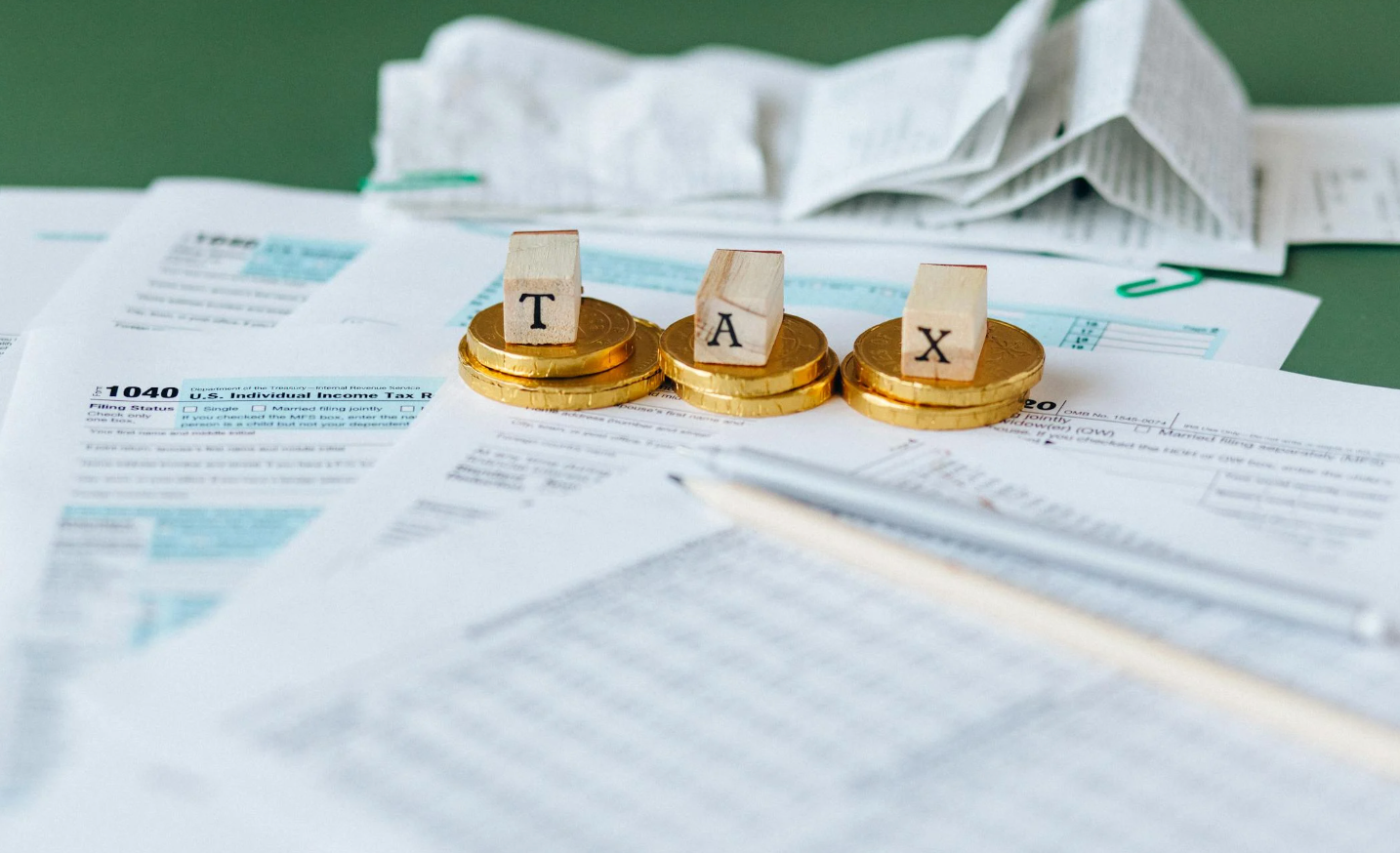
For UK business owners, the term HMRC wage raid payroll checks has shifted from a tabloid headline to a genuine operational risk that requires immediate attention.
As we approach the end of the 2025/26 tax year, HMRC and the newly formed Fair Work Agency (FWA) have signaled a zero-tolerance approach to payroll non-compliance.
With the National Living Wage reaching a record £12.71 per hour on April 1, 2026, the financial margin for error has vanished.
HMRC is no longer just looking for bad bosses who intentionally underpay staff; they are using sophisticated AI-driven data matching to trigger spot checks on reputable businesses that make technical errors.
What are HMRC wage raid payroll checks and why is 2026 a high-risk year?
A wage raid is the industry term for an unannounced or short-notice compliance visit focused on National Minimum Wage (NMW) and National Insurance (NIC) accuracy. A combination of regulatory shifts and economic pressures has made 2026 a watershed year for payroll risk:
- The Fair Work Agency (FWA) Launch: Launching on April 7, 2026, the FWA consolidates HMRC’s NMW team, the Gangmasters and Labour Abuse Authority (GLAA), and the Employment Agency Standards Inspectorate into a single super-regulator.
- Wage Compression: As the minimum wage rises, the gap between your lowest-paid staff and supervisors narrows. One administrative error in net pay can now push a significant percentage of your workforce below the legal floor.
- Real-Time Data Dragnet: HMRC now uses algorithm-based risk assessments to cross-reference your Full Payment Submissions (FPS) against industry benchmarks and employee-reported data from the Check Your Pay portal.
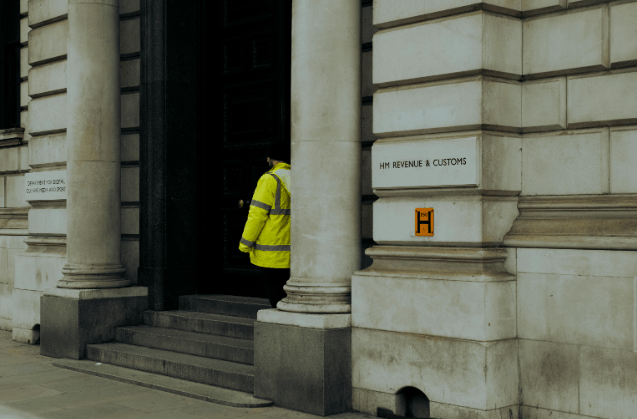
Can HMRC carry out unannounced payroll checks?
Yes. While HMRC usually sends a nudge letter or a formal notice of inspection, they hold the legal right to enter business premises without a warrant under the Finance Act 2008 (Schedule 36) if they have reasonable grounds to suspect tax or wage non-compliance.
Your Rights vs. HMRC Powers
- The Visit: Officers can inspect the premises, observe working practices, and interview staff privately.
- The Records: You are legally required to produce payroll records for at least the last 6 years.
- The Fair Work Agency Twist: From April 2026, FWA officers can also bring employment tribunal claims on behalf of your workers, a power HMRC never previously wielded.
The 2026 National Minimum Wage (NMW) Trap: The £12.71 Milestone
The 4.1% increase in the National Living Wage is a high cost for SMEs. The jump to £12.71 is the headline figure, but the impact is felt across every age bracket in the new rate card:
Failure to update your software for the first pay period on or after April 1 is the most common trigger for a Notice of Underpayment.
The 2026 Wage Hikes at a Glance
| Category | Rate (April 2025) | New Rate (April 2026) | % Increase |
| National Living Wage (21+) | £12.21 | £12.71 | 4.1% |
| 18-20 Year Old Rate | £10.00 | £10.85 | 8.5% |
| Under 18s / Apprentices | £7.55 | £8.00 | 6.0% |
| Accommodation Offset | £10.66 | £11.10 (Est) | TBC |
5 Common Triggers for an HMRC Payroll Audit in 2026
Most audits are not random. They are triggered by specific data flags or external reports.
1. Salary Sacrifice Schemes
This is the #1 cause of NMW breaches. If an employee’s gross pay is £12.80 (just above the limit) and they sacrifice 5% for a pension or a Cycle to Work scheme, their effective hourly rate drops below £12.71.
These technicalities share much of the administrative DNA found in the Universal Credit Loophole £1500, as even minor timing shifts or reporting errors can lead to disproportionate financial consequences for both the firm and the individual.
2. Unpaid Working Time
HMRC checks if you are paying for:
- Time spent changing into a mandatory uniform.
- Security checks at the start or end of a shift.
- Mandatory pre-shift meetings or training.
3. Uniform & Equipment Deductions
If you require staff to buy their own black trousers and shoes or deduct the cost of a high-vis jacket from their first paycheck, that deduction cannot take their pay below the NMW for that period.
4. High-Risk Sector Profiling
In 2026, the Fair Work Agency is specifically targeting Hospitality, Care, and Retail. If you operate in these sectors, your risk of a geographic raid (where HMRC audits multiple businesses in one town) is significantly higher.
5. Data Mismatches in RTI
If your RTI (Real-Time Information) submissions show a worker aged 21 earning the Apprentice rate without a valid training contract attached to their record, an automated flag is generated.

The Cost of Non-Compliance: Penalties & Fines 2026
The financial penalties for wage underpayment are designed to be punitive. In 2026, the Support Stage, where HMRC allowed businesses to fix mistakes without fines, has been largely removed.
| Penalty Type | Cost to Business |
| Arrears Repayment | 100% of the underpayment (calculated at current rates, not historic rates). |
| Civil Penalty | 200% of the total arrears (Capped at £20,000 per worker). |
| Naming and Shaming | Inclusion on the GOV.UK quarterly list of NMW offenders. |
| Sponsor License | Immediate revocation of your ability to employ foreign workers. |
How to conduct a Payroll Health Check before April 1st
To survive an HMRC wage raid, you must be proactive. We recommend the following checklist:
- Review Salary Sacrifice: Ensure your payroll software has a hard stop that prevents deductions from taking a worker below £12.71.
- Audit Off-the-Clock Work: Walk through your staff’s morning routine. Are they working before they clock in? If so, you owe them arrears.
- Verify Apprentice Status: Check that all staff on the £8.00 rate are genuinely in their first year of a registered apprenticeship or under 19.
- Digital Record Trail: Ensure you have digital logs of hours worked for salaried staff. HMRC no longer accepts standard 40-hour assumptions without evidence.
FAQ about HMRC Wage Raid Payroll Checks
How far back can HMRC look into my payroll?
HMRC can look back 6 years for NMW underpayments. If they find a systemic error, they will require you to calculate and pay arrears for every current and former employee affected during that period.
What is the Fair Work Agency (FWA)?
Launching April 7, 2026, the FWA is the UK’s new single enforcement body for employment rights. It has the power to fine businesses up to 200% of wage arrears and take legal action in tribunals on behalf of workers.
Can an employee opt out of the Minimum Wage?
No. The National Minimum Wage is a statutory right. Any contract or side agreement where an employee agrees to work for less is legally void and will not protect you from an HMRC fine.

The Verdict: Preparing for the New Era of Enforcement
The launch of the Fair Work Agency in April 2026 marks a new era of enforcement. For businesses, the message is clear: HMRC is moving away from education and toward enforcement.
By conducting a payroll audit now and addressing technical breaches, especially around salary sacrifice and unpaid training time, you can protect your business’s reputation and avoid the 200% penalties that have crippled many SMEs in recent years.