
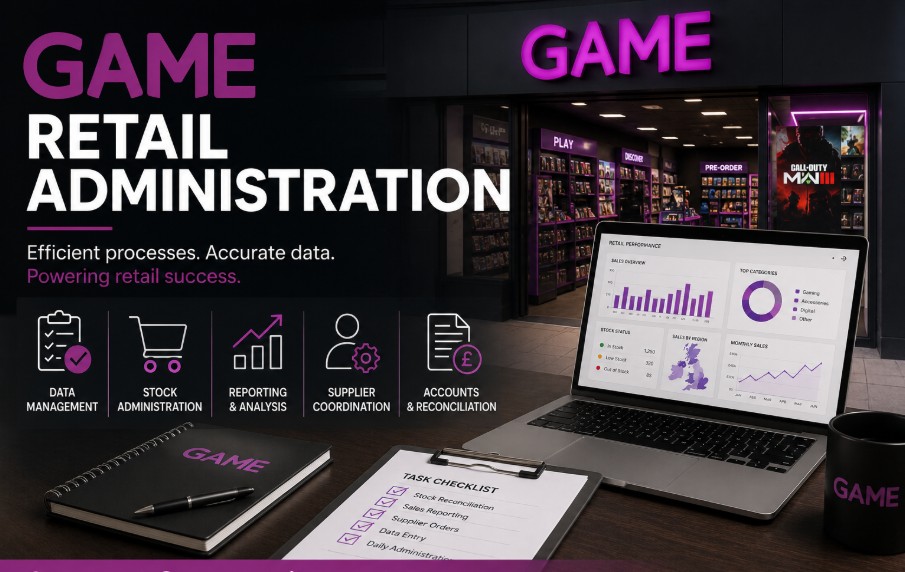
Game Retail Administration refers to the formal corporate insolvency proceedings of Game Retail Limited under the UK Insolvency Act 1986.
Joint practitioners from KR8 Advisory took control of the legacy high-street video game chain with total liabilities reaching £15.8 million, resulting in the permanent closure of standalone stores and a transition to Frasers Group in-store concessions.
Key Takeaways
- Game Retail Limited entered formal insolvency administration under joint practitioners from KR8 Advisory with total liabilities reaching £15.8 million.
- Secured creditors hold claims of £3.5 million while unsecured liabilities stand at £12 million with minimal recovery expectations.
- Operational restructuring resulted in closing all standalone high street locations while maintaining online and concession operations.
- The brand transitioned away from pre-owned game trade-ins and reward point schemes to integrate into parent owner Frasers Group assets.
What Happened to Game Retail?
Game Retail Limited collapsed into administration under KR8 Advisory with £15.8 million in liabilities, closing its final standalone high street outlets while parent owner Frasers Group pivoted to a lower-risk concession model.
Following long-term financial pressure, the company shuttered its final standalone high street outlets (such as those in Dudley, Lancaster, and Sutton).
Parent owner Frasers Group separated the core brand and e-commerce operations, transitioning game.co.uk to Frasers Group Trading Limited, and pivoted entirely to a lower-risk concession model inside existing department stores and sports shops.
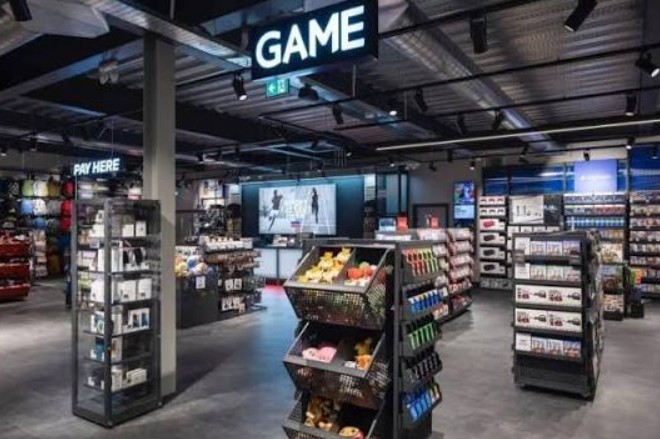
Is GAME Going into Administration?
Yes, Game Retail Limited entered formal administration under KR8 Advisory, but the GAME brand continues to trade online and via physical in-store concessions across Frasers Group properties.
The brand, online operations, and physical presence continue to trade under Frasers Group through in-store concessions (such as inside Sports Direct, House of Fraser, and Lillywhites).
The modern corporate iteration, Game Retail Limited (Company Number 07837246), was incorporated in November 2011 to acquire the business and assets of the former The Game Group Plc out of administration in 2012.
Despite operational restructures, cost reductions, and initial returns to profitability, long-term market pressures ultimately rendered standalone high street store operations unsustainable.
As part of the proceedings, the final standalone outlets, including locations in Dudley, Lancaster, and Sutton, were closed.
What Does a Corporate Administrator Do for GAME?
Corporate administrators act as officers of the court to secure physical assets, notify creditors, assess trading margins, and execute asset distributions according to statutory UK insolvency hierarchy.
- Secure physical retail assets, stock inventory, intellectual property, and banking accounts immediately upon appointment.
- Issue formal notifications of appointment to Companies House, active trade suppliers, employees, and all recorded creditors.
- Conduct operational appraisals to establish whether specific retail units operate at a net positive trading margin.
- Prepare formal administration proposals detailing the recommended exit strategy within eight weeks of appointment.
- Adjudicate submitted creditor proofs of debt and execute fund distributions according to statutory asset distribution rules.
- File comprehensive progress reports and final statutory accountings with Companies House before discharge.
During the restructuring of a national chain, administrators must decide within days whether keeping store doors open generates sufficient cash to cover wages and rent, or if immediate store closures are necessary to preserve assets for creditors.
Who Is GAME Owned By?
The GAME brand, digital domain, and retail assets are controlled by Frasers Group plc, led by Mike Ashley. Frasers Group initially acquired a strategic stake in the business before completing a full takeover in June 2019 for £52 million.
When reviewing insolvency structures, it is vital to distinguish between operating companies and brand assets. Ahead of the formal administration filing for Game Retail Limited, Frasers Group acquired the company’s underlying intellectual property assets.
Furthermore, administration filings show the operator of the game.co.uk e-commerce portal was updated from Game Retail Limited to Frasers Group Trading Limited.
This structural migration separated core brand operations from the legacy property liabilities and standalone leases of the operating entity.
Why Did GAME Enter into Administration?
Game Retail entered administration due to digital distribution shifts, the removal of high-margin pre-owned trade-in services, fixed occupancy overheads, and long-term revenue declines.
The standard retail model was hit by four major shifts:
- Digital Direct Distribution: Digital console storefronts (PlayStation Network, Xbox Store, Nintendo eShop, and Steam) captured the majority market share for software sales, bypassing physical retail distribution completely.
- Removal of High-Margin Services: Margin-rich commercial offerings, including pre-owned hardware and software trade-ins, Xbox All Access subscriptions, and proprietary reward point schemes, were phased out, lowering customer retention and transaction margins.
- Fixed Occupancy Overhead: Standalone high street properties faced rigid lease terms, high business rates, and footfall declines across primary retail centers.
- Wage and Supply Chain Inflation: Rising operational costs made maintaining standalone stores with dedicated store teams financially unviable.
Financial analysis reveals a long-term revenue decline. Official administrator disclosures highlight that while revenue stood at £584 million in July 2016 (generating £6.8 million in pre-tax profit), turnover dropped to £493 million in 2017 with an operating loss of £7.1 million.
By 2019, turnover fell further to £423 million with losses reaching £43 million, demonstrating severe structural pressure before the final corporate restructure.
Financial Breakdown of the £16 Million Debt Structure
Game Retail Limited accumulated £15.8 million in total liabilities, comprising £3.5 million to secured creditors and £12 million to unsecured trade suppliers and landlords facing minimal recovery.
| Creditor Classification | Claim Category | Total Estimated Debt | Realisation & Distribution Outlook |
| Secured Creditors | Fixed & Floating Charges | £3.5 Million | Asset realisations expected to enable partial distribution |
| Preferential Creditors | Employee Claims & HMRC Taxes | Variable | Paid ahead of unsecured claims per statutory hierarchy |
| Unsecured Creditors | Trade Suppliers & Landlords | £12.0 Million | Insufficient funds anticipated for meaningful distribution |
The distribution of funds follows strict UK insolvency laws. Realised capital from asset sales first pays the administrators’ expenses and secured lenders.
Remaining funds then go toward preferential claims, including statutory redundancy pay, arrears of wages, and primary HMRC tax debts, before any remainder reaches trade creditors.
When reviewing trade supplier impacts, non-secured entities generally face near-total losses on outstanding invoices during retail insolvencies. Unless protected by retention of title clauses, trade vendors rank as ordinary unsecured creditors.
What Is the Outcome of Game Retail Administration?
The administration resulted in the liquidation of all standalone stores, migration to 200+ Frasers Group concessions, corporate intellectual property protection, and heavy write-offs for unsecured creditors.
The administration proceedings yielded several distinct structural outcomes:
- Liquidation of Standalone Footprint: All remaining standalone high street locations were permanently closed.
- Concession Transition: The physical footprint was successfully migrated to over 200 in-store concessions hosted within Frasers Group properties like Sports Direct and House of Fraser.
- Corporate and IP Separation: Intellectual property and e-commerce operations (game.co.uk) were isolated and placed under Frasers Group Trading Limited before full administration wind-down, protecting the brand’s commercial future.
- Creditor Waterfall: Secured creditors anticipate partial distributions from realised assets, whereas unsecured trade creditors and landlords face near-total write-offs due to insufficient remaining funds.
Standalone Stores vs. Concession Retail Model
The administration triggered a structural shift from expensive standalone high-street store leases to low-overhead, shared shop-in-shop concessions inside Frasers Group destinations.
| Operational Feature | Standalone High Street Outlets | In-Store Concessions & Digital Distribution |
| Lease Commitments | Direct, multi-year commercial leases | Shared property footprint with parent group |
| Footprint & Cost Base | High rates, dedicated utilities, and rent | Low incremental overheads within existing stores |
| Product Range | Full physical inventory, consoles, pre-owned | High-margin merchandise, popular releases, toys |
| Staffing Structure | Full-time managers and store teams | Cross-utilised staff across sports/fashion floors |
| Trading Footfall Dependency | Dependent on direct high street footfall | Driven by anchor stores like Sports Direct |
This concession structure lets Frasers Group maintain the consumer brand across over 200 locations, including Sports Direct, House of Fraser, and Lillywhites outlets, without paying standalone property leases or maintaining dedicated store overheads.
Why This Game Retail Administration Matters?
The administration of Game Retail Limited serves as a major milestone and cautionary case study for traditional high street retail:
- The End of an Era for Specialized High Streets: It marks the near-total exit of dedicated, single-category physical video game stores from British high streets, mirroring broader high-street restructuring seen in the Quiz fashion chain administration.
- The Blueprint for Retail Pivots: It demonstrates how parent conglomerates can salvage brand equity by migrating operations away from legacy lease liabilities into shared, lower-overhead concession spaces (shop-in-shop models).
- Severe Impacts on Creditor Recoveries: With £12 million owed to unsecured creditors (including trade suppliers and landlords) and little to no recovery expected for them, it highlights the severe financial risks suppliers face when dealing with distressed retail chains.
Customer Rights, Staff Redundancies, and Creditor Position
Corporate administration directly impacts customer gift card validity, triggers government-backed redundancy claims for closed-store staff using RP1 forms, and requires unsecured creditors to submit formal proofs of debt.
- Customer Position: During an administration, gift card acceptance and deposit refunds depend on the operating rules set by the administrators. Following the transition of brand assets to Frasers Group Trading Limited, online orders and active concession services are managed directly by the new operating entity.
- Employee Protection & TUPE: Staff working in standalone outlets that closed were subjected to redundancy proceedings. Former employees submit claims to the Insolvency Service Redundancy Payments Service (RP1 forms) for statutory redundancy, unpaid wages, and notice pay. Staff moving directly to Frasers Group concession locations were managed under Transfer of Undertakings (Protection of Employment) regulations.
- Unsecured Creditors: Landlords and trade suppliers must submit formal Proof of Debt forms directly to joint administrators KR8 Advisory. However, initial reports indicate unsecured distributions will remain negligible.
How Does Game Retail Administration Affect the Employees?
Standalone store employees faced redundancies with claims processed via RP1 government forms, while head office teams downsized and concession staff transitioned under TUPE guidelines.
- Redundancies in Standalone Stores: Staff members working in the final standalone high street outlets that closed faced redundancy. These affected employees can submit claims to the government’s Redundancy Payments Service (using RP1 forms) to recover statutory redundancy pay, unpaid wages, and notice pay.
- Concession Re-allocations: Employees transitioning directly to the new Frasers Group concession locations were managed under Transfer of Undertakings (Protection of Employment) regulations, safeguarding their continuity of employment where applicable.
- Head Office Downsizing: Corporate and administrative teams experienced widespread downsizing following the closure of the company’s head office functions.
Conclusion
Game Retail Administration means the formal corporate insolvency and restructuring of legacy high-street store assets for creditors and industry observers in 2026.
- Reduce Standalone Exposure: Traditional retailers with high fixed rents benefit from shifting to flexible concession models or shop-in-shop spaces.
- Diversify Away from Single-Category Physical Media: As digital distribution grows, physical stores must expand into high-margin merchandise, collectibles, and interactive experiences.
- Protect Intellectual Property Separately: Separating IP and core digital assets from real estate and leasehold operating companies helps preserve brand equity during corporate restructures.
The decline of standalone video game stores does not mean physical gaming retail is dead; rather, it marks a shift where physical media serves a targeted niche within larger, multi-category retail spaces.
Disclaimer: This article is for informational purposes only and does not constitute formal legal or financial advice; consult a qualified insolvency practitioner regarding specific claims.
FAQ
What does an administrator do during a retail collapse?
An administrator takes over legal control from directors to manage operations, protect assets, investigate debts, and pay creditors according to statutory priority.
What happens to gift cards and pre-orders when a game retailer enters administration?
Administrators determine whether gift cards are accepted. When brand operations transfer to a new trading entity, card policies and unfulfilled pre-orders are updated under the new owner’s terms.
Are there still physical GAME stores open in the UK?
Standalone GAME outlets have closed. However, physical locations operate as concessions inside Sports Direct, House of Fraser, and Lillywhites stores nationwide.
Why did standalone GAME stores close across high streets?
Standalone stores closed due to rising digital game sales, high commercial rents, business rates, and the phase-out of high-margin pre-owned trade-in programs.
How much money did Game Retail owe when it collapsed?
Joint administrator filings report total debts of approximately £15.8 million, including £3.5 million to secured creditors and £12 million to unsecured creditors.
