
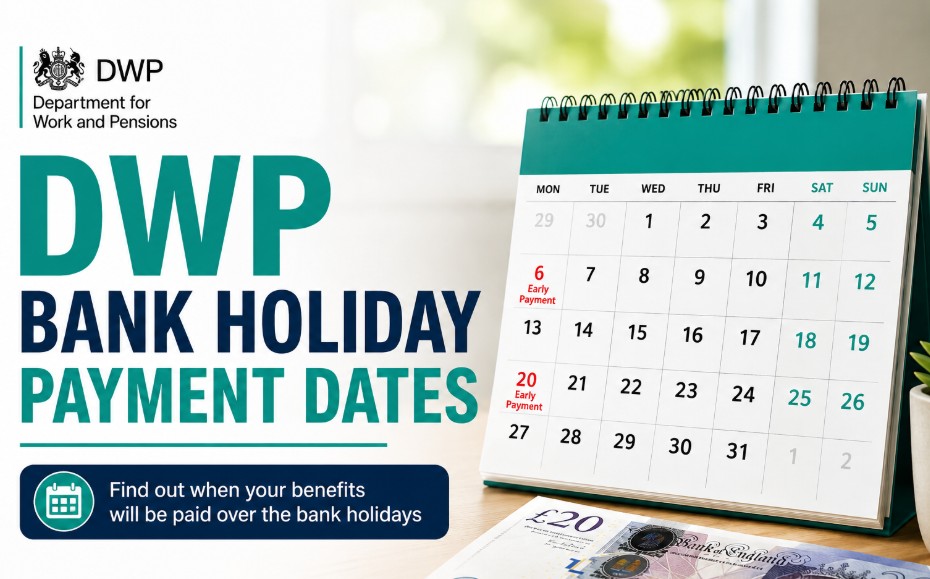
DWP bank holiday payment dates shift forward to the nearest preceding working day, meaning money always clears early rather than late. This automated rescheduling prevents financial disruption during public closures, though it alters standard budget intervals.
When public holidays close banks across the United Kingdom, the Department for Work and Pensions adjusts benefit disbursement schedules to ensure recipients receive their funds on time.
Key Takeaways
- Official DWP bank holiday payment dates ensure that funds automatically clear in your bank account on the last working day before a bank closure.
- Universal Credit, Personal Independence Payment, and State Pension recipients never experience delayed payments when public holidays occur.
- Early holiday deposits do not represent extra financial awards, meaning your subsequent payment cycle will stretch over a longer duration.
- Automated direct debits for household bills typically process on the next official banking working day following the bank holiday weekend.
What are the DWP Bank Holiday Payment Dates?
DWP bank holiday payment dates are automatically adjusted so that regular benefit payments clear on the last working day before a public holiday or weekend closure.
Because bank holiday dates differ between regions, exact early payment schedules depend on whether your claim is registered in England, Wales, Northern Ireland, or Scotland.
The tables below outline the regional bank holiday schedules and their corresponding early payment dates:
England, Wales, and Northern Ireland Schedule 2026/2027
Claimants in England, Wales, and Northern Ireland experience automatic payment date shifts for events like the Summer Bank Holiday, Christmas Day, Boxing Day, and New Year’s Day, with funds clearing on the preceding Thursday or Friday.
| Bank Holiday Occasion | Normal Due Date | Early Payment Date |
| Summer Bank Holiday | Monday, 31 August 2026 | Friday, 28 August 2026 |
| Christmas Day | Friday, 25 December 2026 | Thursday, 24 December 2026 |
| Boxing Day (Substitute Day) | Monday, 28 December 2026 | Thursday, 24 December 2026 |
| New Year’s Day | Friday, 1 January 2027 | Thursday, 31 December 2026 |
Scotland Schedule 2026/2027
Scottish benefit claimants follow a unique regional holiday timetable—including early August Summer Bank Holiday, St Andrew’s Day, and 2nd January substitute days—where payments automatically advance to the nearest preceding working day.
| Bank Holiday Occasion | Normal Due Date | Early Payment Date |
| Summer Bank Holiday (Early August) | Monday, 3 August 2026 | Friday, 31 July 2026 |
| St Andrew’s Day | Monday, 30 November 2026 | Friday, 27 November 2026 |
| Christmas Day | Friday, 25 December 2026 | Thursday, 24 December 2026 |
| Boxing Day (Substitute Day) | Monday, 28 December 2026 | Thursday, 24 December 2026 |
| 2nd January (Substitute Day) | Monday, 4 January 2027 | Thursday, 31 December 2026 |
How Does the Bank Holiday Date Affect the DWP Payment?
Bank holidays disrupt standard BACS electronic clearing cycles, prompting the DWP to execute automated payment advances.
Claimants are required to take zero administrative action, though they must budget carefully for the extended gap before their following regular payment.
- The Golden Rule: If your scheduled payment date falls on a weekend or a bank holiday, the DWP automatically advances your payment to the last working day before that date.
- No Administrative Action Required: This shift happens entirely automatically through computerized disbursement routines. You do not need to apply, notify the government, or take any action to receive your money early.
- Extended Payment Gaps: Receiving your money early does not mean you are getting extra funds. Your next payment cycle will stretch over a longer duration, creating a temporary gap before your subsequent disbursement.
- Direct Debits and Bills: Automated household bills (like council tax and energy) do not process on bank holidays. Under the Direct Debit Guarantee, companies will collect these funds on the next official working day after the holiday, so you must keep your bill money untouched in your account.
What Benefits Are Affected by Bank Holiday Payment Dates?
Every major UK government benefit and welfare financial support scheme scheduled for disbursement on a bank holiday or weekend is automatically shifted forward, covering Universal Credit, PIP, State Pension, and disability allowances.
- Universal Credit
- Personal Independence Payment (PIP)
- State Pension and Pension Credit
- Disability Living Allowance (DLA)
- Attendance Allowance
- Carer’s Allowance
- Jobseeker’s Allowance (JSA) and Employment and Support Allowance (ESA)
Universal Credit and PIP Bank Holiday Payment Rules
Universal Credit and Personal Independence Payment schedules adapt to bank holidays by releasing funds early while keeping assessment windows and standard four-week payment intervals completely locked to their original cycle dates.
Universal Credit Bank Holiday Payment Dates 2026
Universal Credit payments are calculated based on a strict monthly assessment period. When your regular payment date falls on a bank holiday or weekend, the Department for Work and Pensions releases the funds early.
Your assessment period dates do not change because of a bank holiday; the calculation period remains locked to your monthly cycle.
PIP Bank Holiday Payment Dates and Four-Week Cycles
PIP payments are advanced to the last working day before a bank holiday, but future payments continue to follow your standard four-week interval, creating a temporary extended gap after the holiday payout.
Personal Independence Payment is normally paid every four weeks on a designated weekday. When a public holiday interrupts this four-week cadence, the payment is advanced to the last working day before the holiday.
Claimants should also review specific PIP holiday rules to understand how seasonal disruptions impact their assessment periods. The subsequent payment continues to follow the standard four-week interval from your original scheduled date.
December and Winter Schedule Changes
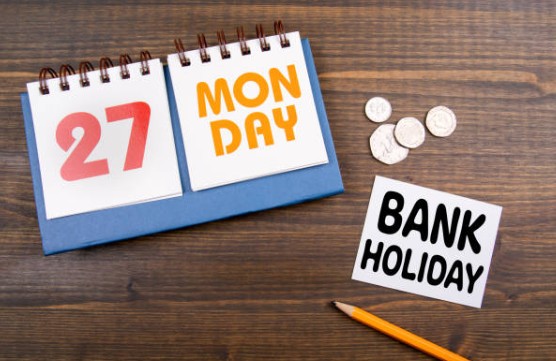
Winter holiday closures compress standard payment timelines around Christmas and New Year, moving December pension disbursements to the preceding Thursday while automatically granting qualifying claimants the annual £10 Christmas Bonus.
What Date Will Pensions Be Paid in December?
State Pension payments due around Christmas and New Year shift significantly. Because both Christmas Day and Boxing Day involve bank closures, payments due on those dates land on the preceding Thursday, typically December 24th.
Pensioners navigating adjustments should also check resources covering backdated payments to resolve any historical discrepancies. Pensioners must account for an extended gap before their next scheduled disbursement in January.
Will All Pensioners Get the Christmas Bonus?
The £10 tax-free Christmas Bonus is an annual payment automatically added to qualifying state benefits during the first week of December. Claimants do not need to apply, provided they receive a qualifying benefit such as the State Pension or PIP during the qualifying week.
Troubleshooting Common Benefit Payment Issues
If a benefit payment fails to appear on an adjusted working day, verify your banking app for pending BACS transfers, check official government timetables, and contact your bank or building society before reaching out to DWP helplines.
- Verify your scheduled payment calendar against official government announcements.
- Check your banking app for pending BACS deposits or system maintenance alerts.
- Contact your bank or building society directly to confirm if a transfer is held in clearing.
- Gather your National Insurance number and claim reference before calling official helplines.
- Report missing funds to the specific department managing your claim if the bank confirms no transfer exists.
- Request an emergency advance or budgeting support if severe hardship occurs due to unexpected delays.
- Keep your contact details updated with the Department for Work and Pensions to avoid administrative communication gaps.
Why Haven’t My PIP or DWP Benefits Been Paid?
When funds fail to appear on an expected early working day, it is usually due to a mismatch in calendar tracking or a temporary processing check by your financial institution.
In practice, when reviewing decisions, administrative backlogs rarely cause delays on holiday weeks because BACS files are submitted in advance.
Are DWP Payments Late Today?
If you suspect payments are running late on a normal working day, verify that today is not a regional bank holiday in your specific part of the UK.
Official payment runs are processed automatically, meaning widespread delays are exceedingly rare unless announced directly via government portals.
Why Do Payments Sometimes Take Three to Five Days?
Initial claims or changes in banking details undergo security verification. While recurring holiday shifts clear immediately on the designated working day, brand-new claims require standard processing windows to establish secure electronic routing.
Managing Your Money Through Extended Payment Gaps
Receiving benefits early during bank holiday weeks requires strict financial discipline, ensuring you ring-fence fixed overhead funds and leave your direct debit money untouched to avoid overdraft charges.
Review your upcoming payment calendar against public holiday dates, ring-fence funds for fixed household bills, and treat advance payments with careful financial discipline.
- Universal Credit Payment Cadence: Universal Credit is normally paid monthly in arrears. When a bank holiday forces an early deposit, the actual calendar time between receiving that payment and the next one expands by several days.
- Direct Debits and Standing Orders: Automated household bills like council tax, energy, and broadband do not process on bank holidays. Under the Direct Debit Guarantee, companies collect funds on the next working day. Leave your bill money untouched and avoid spending advanced funds earmarked for fixed costs.
Conclusion
Tracking official holiday schedules prevents unexpected budget shortfalls caused by early benefit deposits.
Review your upcoming payment calendar against public holiday dates, ring-fence funds for fixed household bills, and treat advanced payments with careful financial discipline.
Disclaimer: This guide is for informational purposes only and does not constitute official financial or legal advice; check GOV.UK or contact the DWP directly for official confirmation regarding your specific claim.
FAQ
Do I need to apply or contact the DWP to get paid early?
No application is necessary. Government payment systems automatically adjust disbursement schedules behind the scenes when public holidays occur, ensuring funds reach bank accounts on the designated working day prior to the closure.
Does an early bank holiday payment mean extra money?
No. Early bank holiday deposits represent your normal benefit payment advanced by a few days. The financial amount remains identical to your standard award, and the subsequent payment cycle will cover an extended timeframe.
What should I do if my benefit payment is missing on the adjusted day?
First, check your bank account for pending transactions or clearing status. If no funds appear, contact your bank or building society directly before reaching out to the specific government helpline managing your claim.
What time do benefit payments usually clear on a bank holiday?
Funds usually clear during the early morning hours on the adjusted working day. Most high-street banks release BACS transfers between 2:00 AM and 7:00 AM, though digital challenger banks may credit accounts the previous evening.
Are State Pension payments affected by bank holidays?
Yes. State Pension and Pension Credit payments due on a bank holiday or weekend automatically transfer to the last working day before the holiday, ensuring pensioners receive their money without interruption.
How do Scottish bank holidays affect benefit payment dates?
Scotland observes unique regional holidays, such as 2nd January and St Andrew’s Day, which trigger separate BACS adjustments for claimants whose regular payment dates align with those specific Scottish public closures.
Do Scottish bank holidays change standard DWP payment dates?
Yes. Regional closures like St Andrew’s Day or 2nd January trigger specific local BACS adjustments for Scottish claimants whose regular payment schedules coincide with those unique public holidays.
