
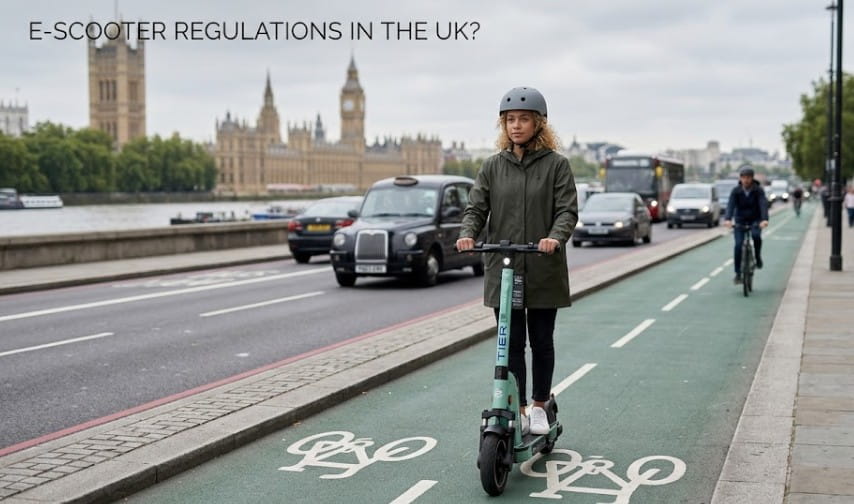
No, private electric scooters are illegal to ride on UK public roads, pavements, or cycle lanes. You may only ride them on private land with the owner’s permission.
The only exception is using government-approved rental scooters (like Lime or Voi) within designated trial zones, which have now been officially extended by the Department for Transport until May 2028.
Are electric scooters legal in the UK?
As of 2026, private electric scooters remain illegal to use on any public highway in the UK. This includes roads, pavements, and cycle paths. While it is perfectly legal to buy or sell an e-scooter, riding a personal model in public is a criminal offence under the Road Traffic Act 1988.
Privately owned e-scooters are legally classified as powered transporters. Because they are motorised, they must meet the same stringent legal requirements as cars, including insurance, vehicle tax, and technical MOT standards.
Since current personal e-scooters cannot meet these type approval standards, they cannot be used legally outside of private property.
What is the current regulatory status of UK rental trials?
The Department for Transport (DfT) maintains a firm boundary between experimental micro-mobility and unregulated personal transport.
Why are the rental trials being extended to May 2028?
Originally set to conclude sooner, the government has extended rental trials until May 2028. This allows local councils to continue collecting safety data while the government finalises a new vehicle category. This dual-track system exists because rental scooters are regulated via:
- Fleet Insurance: Provided by the operator (Lime, Voi, Dott).
- Speed Governors: Hardware that prevents the scooter from exceeding trial limits.
- Safety Standards: Built-in indicators and robust braking systems.
Can you legally ride an electric scooter in the UK?
Legal riding is restricted to authorised rental providers like Lime, Voi, or Dott within designated trial zones. To ride these, you must be at least 18 years old and hold a valid provisional or full driving licence.
Private scooters are only legal on land you own or where the landowner has granted explicit consent. You can legally ride a rental e-scooter in a government-approved trial area if you have a valid driving licence.
However, when asking are electric scooters legal in the UK for personal use, the answer remains no; riding a private e-scooter in any public space is illegal and subjects the rider to prosecution under the Road Traffic Act 1988.
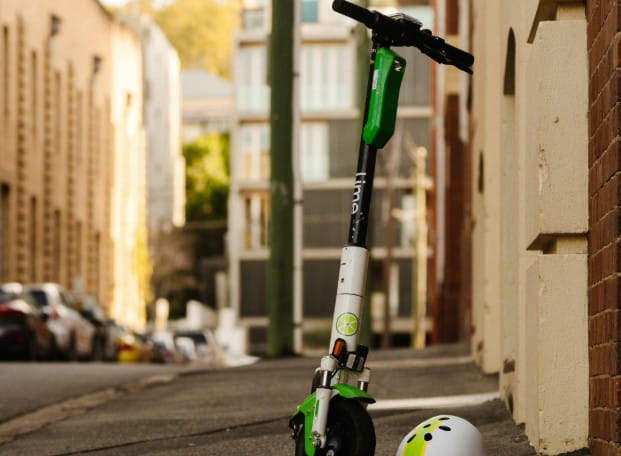
Differences between private land and public roads
Understanding the distinction between private property and public infrastructure is essential for staying within the law. While private land offers freedom of use with permission, public highways are strictly regulated by the Department for Transport to ensure pedestrian and road safety.
| Feature | Private Land Use | Public Road Use |
| Private E-Scooter | Legal (with permission) | Illegal |
| Rental Trial Scooter | N/A | Legal (within zones) |
| Pavement Riding | Legal | Illegal |
| Insurance Required | No | Yes (Rental provided) |
| Licence Required | No | Yes (Rental) |
What happens if you get caught with an e-scooter in the UK?
If stopped by the police while riding a private e-scooter on public land, riders face immediate enforcement actions. Because the scooter is considered an uninsured motor vehicle, the penalties are identical to those for driving a car without insurance or a licence.
- Fixed Penalty Notice (FPN): A standard fine of £300 for lack of insurance.
- Driving Licence Points: Six penalty points added to your current or future driving licence.
- Vehicle Seizure: Police often impound the scooter under Section 165 of the Road Traffic Act.
- Fines for Pavement Use: An additional £50 fine for riding on pedestrian footways.
- Licence Disqualification: Riders with existing points may face a total driving ban.
- Court Summons: Serious or repeat offences may lead to unlimited fines or magistrate hearings.
Do UK police actively enforce e-scooter laws?
Yes. Regional forces frequently conduct targeted enforcement, such as London’s Operation Lowrider. The National Police Chiefs’ Council (NPCC) maintains a zero-tolerance policy toward private scooters on public paths.
While some officers may offer a warning, there is an increasing move toward immediate seizures to protect pedestrian safety.
Why are electric scooters illegal in the UK but not electric bikes?
The distinction lies in the legal definition of an Electrically Assisted Pedal Cycle (EAPC).
- E-Bikes: Are considered bicycles because they require human pedalling to activate the motor. They are exempt from motor vehicle regulations.
- E-Scooters: Are moved entirely by a motor without human assistance, placing them in the same legal category as mopeds or motorcycles.
EAPC regulations for electric bikes vs. E-scooters
UK law maintains a strict legal divide between Electrically Assisted Pedal Cycles (EAPCs) and electric scooters. While e-bikes are treated similarly to traditional bicycles, e-scooters are classified as motor vehicles, subjecting them to entirely different regulatory frameworks and age restrictions.
| Requirement | Electric Bike (EAPC) | Electric Scooter |
| Pedals | Must have functional pedals | None |
| Motor Power | Max 250 Watts | No set cap (unregulated) |
| Speed Limit | 15.5mph assistance cap | 12.5mph – 15.5mph (Rental) |
| Tax/Insurance | Not required | Required (Not available) |
| Age Limit | 14+ | 18+ (Trial) |
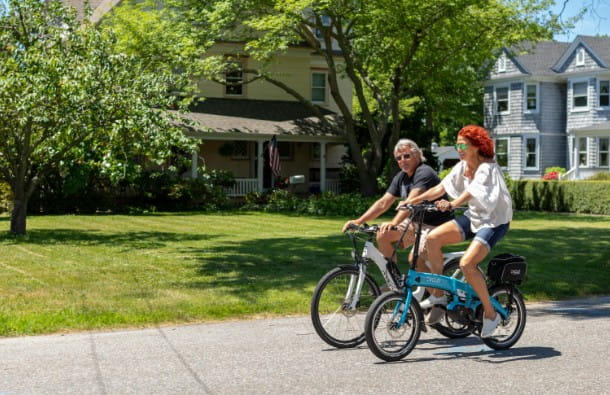
Are e-scooters allowed on trains in the UK?
Most UK train operating companies, including South Western Railway, Avanti West Coast, and Southeastern, have implemented total bans on e-scooters.
This decision stems from fire safety concerns raised by the London Fire Brigade regarding lithium-ion battery volatility.
Unlike e-bikes, which generally have higher manufacturing standards and external testing, e-scooters are often associated with substandard charging systems that pose a thermal runaway risk in confined spaces.
Transit rules for micro-mobility devices
- Transport for London (TfL): A complete ban on all e-scooters (including folded ones) across the Tube, buses, and Overground.
- National Rail: Generally banned from platforms and carriages; check your specific operator before travelling.
- E-bikes on Trains: Usually allowed, though some operators require reservations for non-folding models during peak hours.
When will private e-scooters become legal in the UK?
As of 2026, the government is reviewing the E-scooters (Review and Awareness) Bill. This proposed legislation aims to create a new vehicle category for Low-speed Zero-emission Vehicles (LZEV).
If passed, this would finally allow for the legal sale and use of private scooters on roads, provided they meet specific safety standards such as indicator lights.
However, there is no confirmed date for this transition, as the Department for Transport is still evaluating long-term safety data from the ongoing trials.
Are kids’ electric scooters legal for children to ride?
It is entirely legal to buy a child an electric scooter, but the private land rule still applies. For a 13-year-old, riding an electric scooter in the UK is only legal within the boundaries of a garden or a new driveway with the landowner’s permission.
Parents should be aware that children caught riding on pavements can still be stopped by police, and the parents themselves may face prosecution for allowing a minor to operate an uninsured vehicle.

Final Summary and Next Steps
The legal status of e-scooters in the UK remains in a state of flux in 2026. While the convenience of private ownership is high, the legal risks, including heavy fines and driving licence points, are substantial.
If you want to ride legally today, stick to authorised rental trials. If you are considering purchasing an e-scooter, ensure you have a large enough private space to enjoy it legally until the new Transport Bill potentially changes the rules for everyone.
FAQ about Are electric scooters legal in the UK?
Can I ride an electric bike without a license in the UK?
Yes. You do not need a licence to ride a legal EAPC (Electrically Assisted Pedal Cycle). You must be at least 14 years old, and the bike must meet the 250W and 15.5mph power limits.
What is an e-scooter?
An e-scooter is a two-wheeled platform with a handlebar and an integrated electric motor. When considering are electric scooters legal in the UK, it is vital to know they are categorised as powered transporters, subjecting them to the same regulations as motor vehicles.
Do you need insurance for an electric scooter in the UK?
Yes. For rental scooters, insurance is mandatory and included in the rental price. However, for private scooters, it is currently impossible to get road-legal insurance because the vehicles do not meet type approval standards.
Which electric bikes are illegal in the UK?
E-bikes are illegal if they have a motor exceeding 250 Watts, provide assistance above 15.5mph, or have a twist-and-go throttle that works without pedalling at speeds over 4mph.
Can you ride an electric bike if banned from driving in the UK?
Yes. Since legal e-bikes are not classified as motor vehicles, you do not require a driving licence. You can continue to use a legal e-bike even if you have a driving disqualification.
Are electric scooters legal in Europe?
Laws vary by country. In France and Germany, private e-scooters are legal on roads if they are insured and meet specific technical specs. The UK remains one of the few countries with a near-total ban on private use.
How fast is the Lime scooter?
In the UK, Lime rental scooters are software-capped to a maximum speed of 12.5mph to 15.5mph, depending on the specific trial area’s safety regulations and go-slow zones.
What are the benefits of electric bikes?
E-bikes offer a sustainable, low-cost alternative to cars. They reduce commute times in traffic, assist with hilly terrain, and provide health benefits while being exempt from the strict insurance and licensing required for scooters.
