
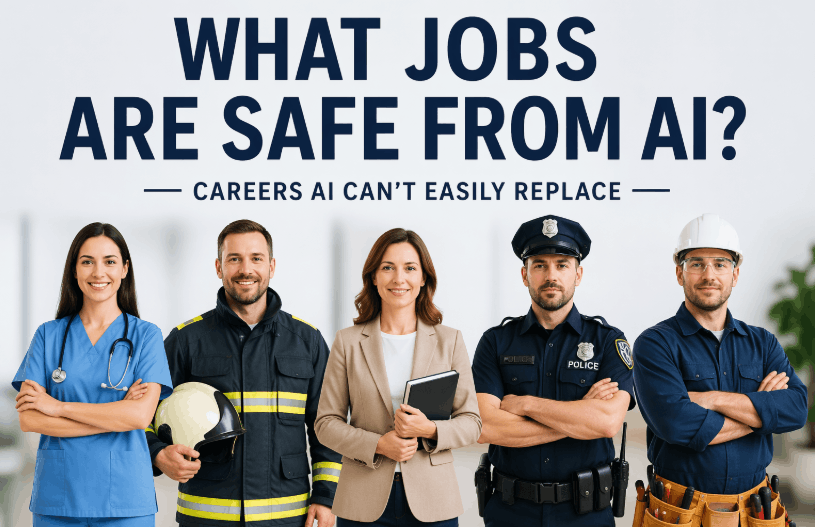
Securing a career in the UK today requires a shift in focus. Pinpointing what jobs are safe from AI has evolved from a futuristic worry into a matter of immediate survival for workers across the country.
As of 2026, automation focuses on predictable data processing, leaving roles that require physical dexterity, complex empathy, and non-linear problem-solving as the most resilient against technological displacement.
In the current UK labour market, the most secure roles are those involving unstructured physical environments or high-stakes human accountability.
These include skilled trades like plumbing and electrical engineering, as well as emergency services. AI cannot reliably replicate the fine motor skills or the moral judgment required in these high-variability sectors.
What jobs are safe from AI in the 2026 economy?
The most secure professions in the 2026 UK market are defined by their reliance on manual dexterity and human accountability. The following roles are identified as the most safe to AI automation:
- Plumbing and Heating Engineers
- Electricians
- Carpenters and Joiners
- Gardeners and Landscapers
- Construction Foremen
- Mechanics
- Emergency First Responders
- Strategic Project Managers
- Personal Trainers and Coaches
- Mental Health Counsellors
The term safe in 2026 refers to professions where the Human Premium, the value of physical presence and ethical accountability, cannot be automated.
These roles exist in environments where every task is a bespoke puzzle, such as repairing a burst pipe in a Victorian cellar or managing a chaotic construction site where safety risks change by the minute.
The Science of Safety: Why Some Roles Defy Automation
The resilience of the skilled trades is best explained by a technical reality: while an algorithm can solve a complex equation in milliseconds, a machine still lacks the sensory-motor skills to navigate a cluttered building site. This is often referred to as Moravec’s Paradox.
In practice, high-level reasoning is computationally easy for AI, but low-level sensorimotor skills remain incredibly difficult to replicate in the real world.
Furthermore, the UK Government’s latest labour market update highlights that while digital roles are seeing a surge in AI integration, the physical and emotional sectors are maintaining steady demand due to the impossibility of remote or algorithmic execution.
Plumbing and Heating Engineers
Plumbing and heating roles are among the most robust answers to what jobs are safe from AI because they require a high degree of physical spontaneity.
- Unpredictable Environments: Most UK homes feature unique, cramped challenges, like intricate loft conversions or legacy pipework, that defy rigid robotic programming.
- Variable Diagnostics: A burst pipe isn’t just a data point; it involves tactile investigation that current sensors cannot emulate.
- Emergency Logic: Decisions must be made instantly to prevent property damage, involving a level of common sense AI lacks.
- Bespoke Solutions: No two boiler installations are identical in older British properties.
- Physical Dexterity: The fine motor control needed to solder a joint in a 20cm gap is a major barrier for automation.
- Client Interaction: Explaining technical failures to a distressed homeowner requires high emotional intelligence.
Economic Value and AI Integration
As of April 2026, the average hourly pay for a qualified Plumbing Engineer in the UK ranges from £40 to £75 per hour, with self-employed specialists in London often commanding upwards of £120 per hour.
Pro Tip: Use AI for Predictive Parts Ordering and instant thermal imaging analysis. By letting an app diagnose the likely fault before you arrive, you reduce return visits and significantly increase your daily profit margins.
Electricians
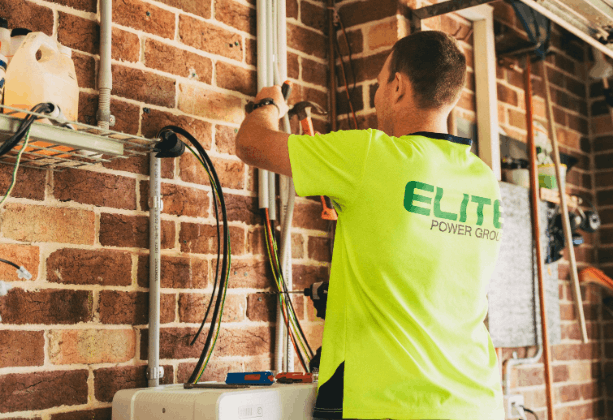
Electricians remain safe from AI because of the high legal and physical risks associated with power. Testing and fixing domestic wiring involves a level of problem-solving and manual precision that an algorithm cannot match, especially when dealing with non-standard legacy systems.
| Electrician Category (2026) | Avg. Hourly Pay | AI Safety Rating | Primary Human Value |
| Domestic Electrician | £45 – £80 | High | Problem-solving in old builds |
| Renewable/EV Specialist | £55 – £95 | Very High | Navigating new regulations |
| Industrial Technician | £50 – £85 | High | High-stakes safety oversight |
Expanding the Human Advantage
A common pattern in 2026 is the Accountability Gap. Under UK building regulations, a human must sign off on safety certificates (like an EICR).
AI cannot take legal responsibility for a fire or a faulty circuit, ensuring that the qualified human remains the essential gatekeeper of the industry.
Pro Tip: Leverage AI-powered Smart Home Design tools. You can use generative software to design complex lighting and energy-saving circuits for clients in seconds, then charge a premium for the physical installation.
Carpenters and Joiners
Bespoke craftsmanship involves tactile feedback and aesthetic judgment. Whether it is a heritage restoration or a custom kitchen installation, the eye of a joiner for wood grain and fit is currently irreplaceable.
- Average Pay 2026: £30 – £55 per hour.
- Why it’s safe: AI lacks the aesthetic eye for grain-matched joinery and the motor skills for bespoke onsite adjustments.
Pro Tip: Use generative AI for Custom Furniture Visualisations. Offer your clients a 3D preview of the finished work before you cut a single piece of timber, reducing wasted materials and increasing client satisfaction.
Gardeners and Landscapers
Landscaping is highly complex for automation because it involves managing living, changing biological systems in varied UK weather conditions.
- Average Pay 2026: £25 – £45 per hour (Design-heavy roles can reach £65+).
- The Mud Factor: Robots struggle with uneven terrain, seasonal growth patterns, and the artistic pruning required for high-end gardens.
Pro Tip: Use AI for Seasonal Growth Mapping. By using data to predict when certain plants will need pruning or feeding based on local microclimates, you can offer clients data-backed garden management plans.
Construction Foremen
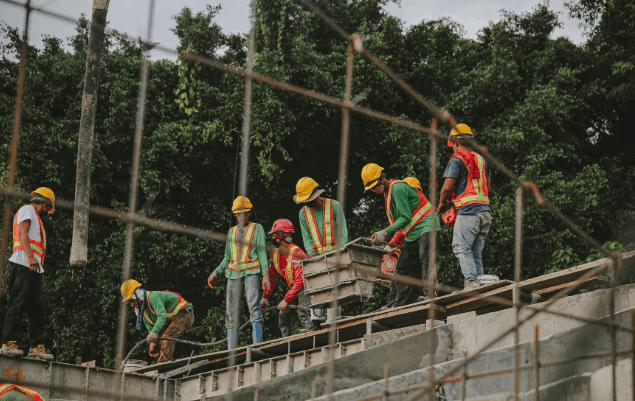
Managing diverse human teams and reactive site safety is a role built on social intelligence and moral authority.
- Crew Coordination: AI cannot read the room or motivate a team on a cold Monday morning.
- Conflict Resolution: Handling disputes between sub-contractors requires human nuance.
- Reactive Safety: When a hazard appears, a foreman makes an instant judgment call based on experience, not just data.
- Stakeholder Management: Communicating with architects, clients, and councils.
- Project Flow: Adjusting timelines based on human performance.
- Regulatory Compliance: Ensuring onsite work matches the legal paperwork.
- Average Pay 2026: £35 – £65 per hour.
Pro Tip: Implement AI Safety Observation apps. Use these to scan site footage for hazards, allowing you to focus your time on human morale and project speed.
Mechanics
While new electric vehicles (EVs) are highly digital, the UK fleet is still full of older, non-standardised vehicles. Diagnosing hardware failures in these models requires a level of manual finesse and historical knowledge.
- Average Pay 2026: £25 – £50 per hour.
- The Hardware Barrier: AI can suggest a fault code, but it cannot reach into a cramped engine bay to unstick a rusted bolt.
Pro Tip: Use AI-augmented Sound Diagnostics. Modern software can identify engine faults via acoustic patterns. Use this to find the problem in seconds, then charge for the skilled manual repair.
Emergency First Responders
Emergency roles are the ultimate safe jobs because they require seconds-to-live decisions in chaotic environments. These roles combine high-level medical knowledge with intense physical action and empathy.
- Average Pay 2026: £22 – £45 per hour (Specialist leads earn more).
- Why it’s safe: Empathy and adrenaline are required to handle a patient in crisis. AI lacks the physical presence to perform a rescue in a dangerous location.
Pro Tip: Use AI Voice-to-Report tools. By dictating patient reports in real-time, you eliminate hours of paperwork, allowing you to stay focused on clinical care.
Strategic Project Managers
Strategic project management remains a high-security role because it operates in the “Human Friction” zone. While AI can calculate a critical path, it cannot navigate the corporate politics, ego management, and shifting stakeholder priorities that define UK business operations.
- Average Pay 2026: £45 – £85 per hour.
- Why it’s safe: AI cannot replicate the emotional intelligence needed for high-stakes negotiation or the accountability required to make final strategic pivots during a crisis.
Pro Tip: Use AI for Predictive Risk Modelling. Let the software run simulations on your budget and timeline to flag bottlenecks, freeing you to focus entirely on high-touch leadership and stakeholder diplomacy.
Personal Trainers and Coaches
Fitness coaching is a “High-Touch” profession that relies on physical presence, immediate biomechanical correction, and the psychological bond between coach and athlete.
- Average Pay 2026: £30 – £90 per hour (Specialist rehab and performance coaches command the highest premiums).
- Why it’s safe: AI lacks the physical presence for safety spotting and the ability to provide genuine human motivation and behavioral accountability during a physical struggle.
Pro Tip: Leverage AI for Hyper-Personalised Nutritional Data. Use automated tools to track a client’s metabolic markers, allowing you to provide more impactful, evidence-based lifestyle interventions during your face-to-face sessions.

Mental Health Counsellors
Therapeutic roles are among the most resilient against AI because the “healing factor” in mental health is often found in the rapport and shared human condition, something code cannot experience.
- Average Pay 2026: £40 – £95 per hour.
- Why it’s safe: AI lacks “intent” and true empathy; it cannot interpret the subtle non-verbal cues, micro-expressions, and “silences” that are vital for treating complex trauma.
Pro Tip: Use AI for Sentiment Pattern Analysis. With client consent, use software to transcribe sessions and highlight recurring linguistic triggers over time, helping you identify progress trends more objectively.
Action Plan: Mapping Your AI-Resistant Career
To navigate the 2026 labour market, workers should focus on roles that exist in the Physical and Emotional quadrant.
Success in this new era isn’t about racing against the machine on speed; it’s about leaning into the complex, messy, and creative decision-making that AI cannot mimic.
If your role requires you to physically enter a changing environment or manage human ethics, your career is significantly safer from displacement.
FAQ about What Jobs Are Safe From AI
Will AI replace teachers in the UK?
AI serves as a powerful teaching assistant for marking and lesson planning, but it cannot replace the pastoral care, inspiration, and behavioural management provided by human educators in a classroom setting.
Are creative jobs like writing and design safe?
Generic content creation is highly exposed, but high-level strategy, brand storytelling, and original artistic vision remain safe. AI can mimic style, but it cannot innovate new cultural movements or local context.
Will AI take over the construction industry?
AI will optimise site planning and logistics, but the physical acts of bricklaying, plumbing, and electrical installation in variable environments remain firmly in the hands of human tradespeople.
Are hospitality jobs safe from automation?
High-end hospitality that relies on the human touch and bespoke service is safe. However, budget sectors are seeing increased automation in ordering and food preparation.
Should I get a degree to stay safe from AI?
Degrees focusing on critical thinking, ethical reasoning, or clinical practice remain highly valuable. Purely technical or data-heavy degrees may require supplemental soft skill training to remain competitive.
What is the safest entry-level job today?
Apprenticeships in skilled trades like plumbing and electrical work offer the highest security. These roles provide a path to high earnings while being immune to remote robotic replacement.
Can AI perform a mechanic’s job?
AI can assist with diagnostics through code analysis, but it cannot perform the physical repairs, especially on the diverse range of older and specialized vehicles found on UK roads.
