
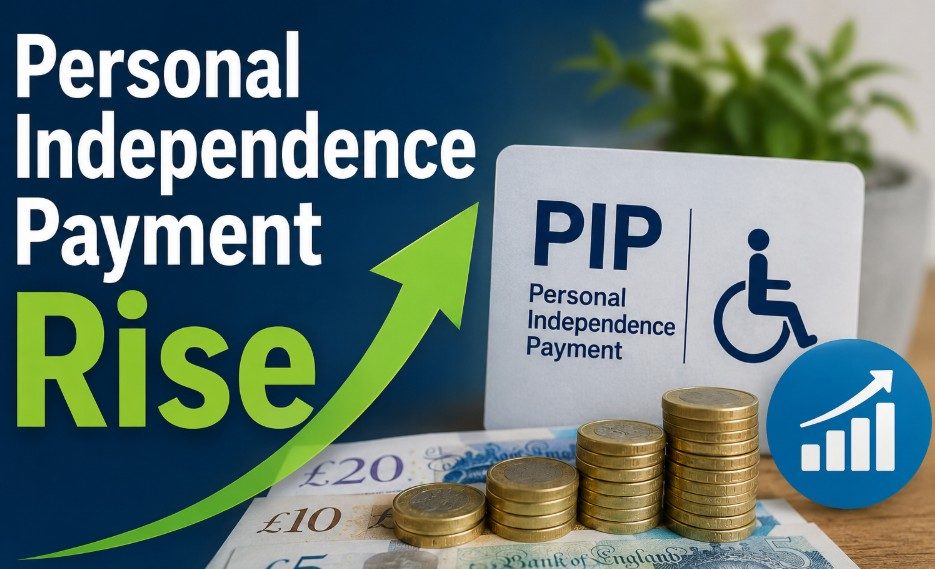
The Personal Independence Payment rise officially took effect on 6 April 2026, marking a 3.8% increase in benefit rates across the United Kingdom.
This annual adjustment, mandated by the Department for Work and Pensions, ensures that benefit payments remain aligned with inflation to support individuals managing long-term health conditions.
What is Personal Independence Payment?
Personal Independence Payment is a non-means-tested, tax-free benefit provided by the UK government for individuals aged 16 and over who have a long-term physical or mental health condition or disability.
It is designed to help cover the extra costs associated with living with such conditions. Because it is not means-tested, your income, savings, and employment status do not affect your eligibility.
It is intended for individuals who find it difficult to manage everyday tasks or get around, and these difficulties must be expected to last for at least 9 months.
Why is the Personal Independence Payment rise happening?
The annual PIP rise is a statutory requirement managed by the Department for Work and Pensions that occurs every April to ensure that benefit payments keep pace with inflation.
The specific rate of the increase, 3.8% for the 2026/27 tax year, is tied to the Consumer Price Index (CPI) from the previous September.
This inflationary adjustment is intended to help recipients manage the rising cost of living, ensuring that the financial assistance provided remains relevant despite broader economic changes.
How much is the Personal Independence Payment rise?
Effective 6 April 2026, PIP rates have increased by 3.8%. This adjustment is applied to all components of the benefit. Below are the updated weekly rates for the 2026/27 tax year:
Updated 2026/27 PIP Rates
Claimants receive payments based on two components: Daily Living (for help with everyday tasks) and Mobility (for help with getting around). Each component offers a standard and an enhanced rate.
The Daily Living Component
The Daily Living component covers assistance with activities such as preparing food, washing, dressing, and managing medical treatments.
Recipients qualify based on a point-scoring system that assesses how these conditions affect their ability to manage daily life independently.
The Mobility Component
The Mobility component supports those who face significant difficulties in planning or undertaking journeys. Eligibility for this component is independent of the Daily Living component; an individual can receive one, both, or neither, depending on their unique functional requirements.
The benefits of the Personal Independence Payment rise
The primary benefit of the annual uprating is financial stability. By aligning payments with inflation, the government helps prevent the erosion of the support that disabled individuals rely on to meet their specific needs.
Beyond the direct cash increase, receiving PIP can unlock several additional forms of support, which often increase in value or become more accessible as your PIP award remains stable and properly adjusted. These passported benefits can include:
- Disability Premiums: Potential top-ups on other means-tested benefits like Housing Benefit, Income Support, or Employment and Support Allowance.
- Travel Discounts: Eligibility for a Blue Badge, free local bus travel, or a Disabled Person’s Railcard.
- Vehicle Support: Access to the Motability Scheme (for those on the enhanced mobility rate) and significant vehicle tax discounts.
- Council Tax Reductions: Potential eligibility for discounts on your council tax bill.
By ensuring that the base PIP payment keeps up with inflation, the DWP helps ensure that these linked supports continue to serve as a comprehensive safety net for those who need them most.
How is Personal Independence Payment Calculated?
The process of calculating Personal Independence Payment relies on a structured assessment of an individual’s functional needs rather than a specific medical diagnosis.
DWP assessors look at how a health condition impacts a claimant’s ability to complete specific tasks safely, to an acceptable standard, repeatedly, and in a reasonable timeframe.
To determine your entitlement, follow these assessment steps:
- Submit your initial claim form detailing your daily functional challenges.
- Provide supporting medical evidence, such as GP letters or specialist reports.
- Attend a health assessment with a professional, if required by the DWP.
- The assessor assigns points based on your ability to complete 12 key activities.
- Scores are tallied for the Daily Living and Mobility components separately.
- The DWP makes a decision based on whether you meet the required point threshold.
- Official notification of the award and the duration of your claim is issued.
Who is Eligible for Personal Independence Payment rise?
Eligibility for the Personal Independence Payment requires that you be aged 16 or over and live with a long-term physical or mental health condition or disability that impacts your daily life.
Common scenarios where individuals may qualify include:
- Chronic conditions that limit mobility or physical dexterity.
- Mental health conditions that impact social interaction or planning.
- Degenerative conditions requiring consistent, long-term support.
- Conditions where help is required for the majority of the day.
How to get the Personal Independence Payment rise?
It is important to understand that the Personal Independence Payment (PIP) rise is automatic. You do not need to take any action to receive the increased rates, and there is no application for the annual uprating itself.
Here is what you need to know about how the process works:
- Automatic Adjustment: The Department for Work and Pensions (DWP) applies the 3.8% increase centrally to all existing awards. You will see the new, higher amounts reflected in your payments automatically starting from 6 April 2026.
- No New Forms Required: You do not need to submit new evidence, fill out a How your disability affects you form, or contact the DWP to trigger the increase.
- Payment Timing: While the new rates technically took effect on 6 April 2026, the date you actually receive your first payment at the new, higher rate depends on your individual payment schedule. You will see the change reflected on your bank statement once your next regular payment cycle arrives.
- Verifying Your Payment: You can confirm your updated payment amount by checking your personal DWP online account or by reviewing your bank statements. If you suspect your payment does not reflect the new 3.8% uprating, you should contact the PIP enquiry line to speak with an advisor.
When to contact the DWP?
While you don’t need to do anything to get the standard annual rise, you are required to report changes to your circumstances to the DWP. You should contact them if:
- Your condition gets significantly better or worse, or the level of help you need changes.
- Your personal details change (e.g., your name, address, or bank account).
- You go abroad for an extended period.
If you believe your condition has worsened and you might be entitled to a higher rate than you currently receive, you can ask for a review of your claim. This is a separate process from the automatic annual uprating.
If you feel your current award does not accurately reflect your needs, you can contact the DWP to request that your claim be reassessed.
The 12 Points and Mobility Component of PIP Assessment
The enhanced rate for the Personal Independence Payment is reached only when a claimant scores 12 or more points in a specific component assessment. The threshold for the enhanced rate is a significant milestone in the DWP assessment process.
Functional Thresholds
- Standard Rate: 8 to 11 points per component.
- Enhanced Rate: 12 or more points per component.
When reviewing decisions, the DWP looks for evidence of reliability. This means that if a claimant can perform a task, they must be able to do it without pain, breathlessness, or the need for excessive assistance from others. If a claimant requires aid to meet these reliability criteria, they may qualify for a higher point total.
Challenges in Assessment
In practice, many claimants find the assessment process daunting. It is common for initial assessments to miss the nuances of fluctuating conditions.
Claimants have the right to challenge a decision through Mandatory Reconsideration if they believe the point allocation does not accurately reflect their daily limitations.
| Assessment Aspect | What the DWP Looks For |
|---|---|
| Safety | Can the task be performed without risk of injury? |
| Timing | Does it take more than twice as long as an average person? |
| Repetition | Can the activity be done as often as required? |
| Standard | Is the task completed to an acceptable level of quality? |
FAQ
Is the Personal Independence Payment going up?
Yes, the Personal Independence Payment rates increased by 3.8% on 6 April 2026. This uprating applies automatically to all standard and enhanced awards for both Daily Living and Mobility components.
How much is the high rate for PIP?
The enhanced Daily Living rate is now £117.66 per week, and the enhanced Mobility rate is £81.33 per week. Claimants qualifying for the enhanced rate in both receive a combined weekly total of £198.99.
Do I need to reapply for the PIP increase?
No. The DWP applies the 3.8% increase automatically to all existing claims. There is no need to submit new forms or contact the DWP to request the updated rates for the current year.
How do I check my personal independence payment?
You can verify your payments through your personal DWP online account or by reviewing your bank statement. If you believe your payment does not reflect the new rate, contact the PIP inquiry line directly.
Who cannot claim PIP?
Generally, individuals under 16, those who do not meet residency and presence requirements in the UK, or those who do not have a long-term condition lasting at least 9 months are not eligible.
Can I claim PIP if I have a job?
Yes. PIP is not means-tested and is not affected by your income, savings, or employment status. You can work and receive full PIP payments simultaneously.
Does the DWP send a letter about the new rate?
The DWP typically sends an automated notification letter to claimants whenever there is an adjustment to their benefit award, confirming the new weekly amount and the date it takes effect.
