
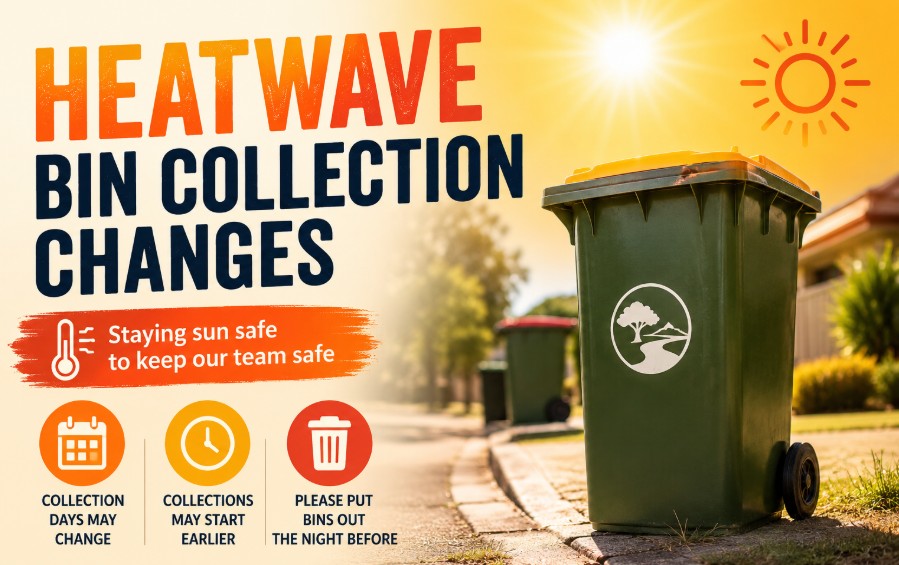
Councils across the United Kingdom are enforcing immediate heatwave bin collection changes to protect frontline collection crews from extreme heat exhaustion and preserve mechanical fleet integrity during periods of severe weather.
These emergency adaptations shift standard kerbside collection times to early morning windows, alter regional route sequencing, and require residents to present domestic waste bins significantly earlier than normal to avoid missed collections.
If your local council has announced heatwave bin collection changes, your normal bin day routine will be disrupted.
To protect waste crews from extreme heat and prevent bin lorry breakdowns, councils across the UK are shifting collection times to the early morning.
Here is exactly what you need to know to avoid a missed bin collection during a UK heatwave:
- Earlier Start Times: Collection crews are moving their start times forward, typically beginning at 5:00 AM or 5:30 AM instead of 7:30 AM.
- The Night Before Rule: Residents are being ordered to place their wheelie bins and food caddies at the kerbside the evening before collection.
- Route Adjustments: Standard route sequences are being altered, meaning your bin may be collected hours earlier or later than your usual window.
Why are heatwave bin collection changes happening across the UK?
Heatwave bin collection changes occur because extreme summer temperatures create hazardous working conditions for frontline waste crews and cause critical mechanical components in bin lorries, such as hydraulic compacting rams, to overheat and fail.
When reviewing decisions made by regional waste partnerships during extreme weather events, a common pattern is the prioritisation of early morning operational windows.
Operating in temperatures exceeding 30°C places severe physiological strain on collection crews, who perform high-intensity manual labour while exposed to direct solar radiation.
The UK Health Security Agency (UKHSA) sets clear thresholds for workplace heat stress, prompting municipal directors to alter standard contracts.
Simultaneously, the physical assets of local councils face distinct operational limitations. Modern refuse collection vehicles rely on complex hydraulic fluid networks to crush and compress household waste.
When ambient temperatures soar, these fluids lose viscosity, leading to pressure drops, seal degradation, and full mechanical breakdowns.
Why do binmen start so early during hot weather?
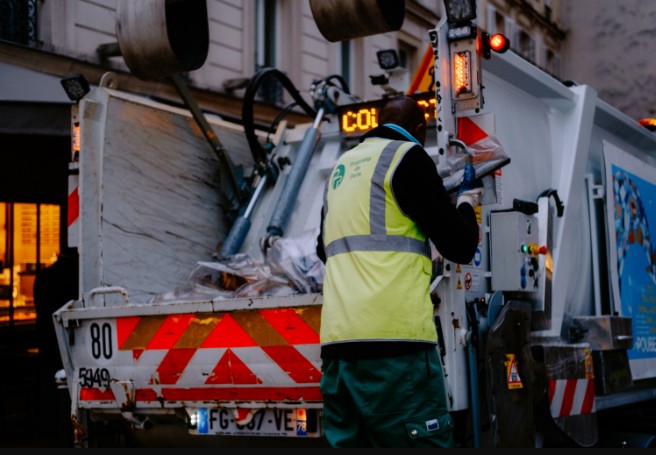
Binmen start as early as 5:00 AM during hot weather to complete heavy manual labour before midday solar maximums peak, protecting crews from heat exhaustion and preventing vehicle hydraulic systems from bursting under intense structural heat.
Shifting the operational launch window to dawn hours serves two major, distinct operational purposes: safeguarding human life and preserving multi-million-pound public vehicle fleets.
Protecting Crews via Heatwave Bin Collection Changes
Frontline municipal employees lift, pull, and transport tons of waste daily while walking up to 10 miles per shift. During a heatwave, executing these duties under midday solar maximums risks heat exhaustion, dehydration, and heatstroke.
By shifting the operational launch window to 5:00 AM or 5:30 AM, councils allow crews to complete the heaviest segments of their routes before ambient temperatures peak.
Preserving Fleets via Heatwave Bin Collection Changes
Bin lorries operating in extreme heat encounter frequent technical failures. The combination of engine heat, constant stopping and starting, and high ambient temperatures can cause hydraulic lines to rupture.
Shifting schedules to cooler dawn hours preserves machinery, limits service downtime, and ensures that entire residential zones do not suffer prolonged service backlogs due to stranded vehicles.
What is the new bin rule in the UK for 2026?
The implementation of the statutory Simpler Recycling framework across England fundamentally changes how households separate waste.
This national policy mandates that all local authorities ensure a standardised approach to collection, forcing the segregation of organic material from dry recyclables and residual waste.
- Mandatory Separate Food Waste: Every household must utilise a dedicated food waste caddy collected on a weekly basis.
- Standardised Dry Recyclables: Plastic containers, glass bottles, metal cans, and cardboard must be collected uniformly across all municipal borders.
- Residual Stream Limitations: Black wheelie bins are restricted strictly to non-recyclable materials, reducing overall landfill volumes.
In practice, the intersection of the 2026 Simpler Recycling rules and extreme heat creates a highly challenging environment for homeowners.
While separating organic material keeps core decomposing mass out of the primary black wheelie bin, it concentrates highly perishable proteins and carbohydrates within smaller, less insulated food caddies, accelerating structural management issues at the kerbside.
Has my bin collection day changed?
Your scheduled bin collection day may stay the same, but the collection time will change dynamically during hot weather; residents must cross-reference their postcode with local council dashboards to check for emergency early morning adjustments.
To determine if your scheduled collection window has moved, you must cross-reference your address with real-time council press releases, as hot weather changes vary by locality. Follow these sequential steps to track your service status:
- Locate your local authority via the official UK government council portal.
- Access the dedicated Waste and Recycling service status dashboard.
- Check for emergency service updates or recent severe weather press releases.
- Verify if your specific quadrant has been shifted to an early-morning collection route.
- Review official social media channels for real-time tracking of route delays.
- Check for automated SMS or email alerts if your local authority provides subscription notifications.
- Present all waste containers by 5:00 AM or the evening before if an early shift is confirmed.
- Leave uncollected containers at the boundary line for a minimum of 48 hours during catch-up periods.
Regional Response Matrix to Extreme Heat
| Local Authority Zone | Standard Collection Start | Heatwave Emergency Start | Kerbside Presentation Deadline |
| Leicestershire County | 7:30 AM | 5:30 AM | Evening Before / 5:00 AM |
| Leicester City Council | 7:00 AM | 5:00 AM | Evening Before |
| Ipswich Borough Council | 6:30 AM | 5:00 AM | 5:00 AM Sharp |
| Bristol City Council | 7:00 AM | 5:30 AM | Evening Before |
Historical data indicates that regional performance diverges based on geographic infrastructure. For example, during a previous severe summer spike, a Midlands authority maintained a 94% collection compliance rate by converting to a rigid 5:00 AM rolling start pattern.
Conversely, a neighbouring district that delayed schedule adjustments suffered a consecutive three-day backlog due to vehicle hydraulic failures and crew dehydration incidents.
Is 2026 going to be a hot summer in the UK?
Long-range meteorological models and statistical baselines compiled as of 2026 indicate a sustained upward trend in both mean summer temperatures and the frequency of high-pressure blocking systems across the British Isles.
- Increasing Frequency of Blocking Anticyclones: Stable high-pressure systems increasingly trap hot continental air masses over the UK, preventing cooler Atlantic fronts from moderating temperatures.
- Sustained Baseline Warmth: The baseline temperature profile across England and Wales has shifted upward, meaning even standard summer patterns yield higher peak temperatures.
- Escalating Met Office Alerts: Climate tracking models indicate a higher probability of recurring Amber Heat-Health Alerts between late June and mid-August.
Why is the UK getting so many heatwaves?
The amplification of the jet stream creates prominent atmospheric loops that draw hot, dry air northward from North Africa and Southern Europe.
When these loops become stationary, the UK experiences prolonged periods of suppressed rainfall and intense solar radiation, rapidly triggering official heatwave declarations.
Has it ever hit 40 degrees in the UK?
Yes, the UK officially breached the 40°C threshold for the first time in recorded history during a severe summer high-pressure event, when Coningsby in Lincolnshire reached 40.3°C.
This historic milestone transformed municipal risk models, shifting heatwaves from simple discomforts to major structural hazards for public infrastructure.
How to stop your wheelie bin smelling and attracting maggots in extreme heat?
To stop your wheelie bin smelling and attracting maggots in a heatwave, you must double-bag food scraps to block odour emissions, store bins in shaded areas to prevent bacterial incubation, and disinfect the containers using white vinegar.
High ambient temperatures accelerate the decomposition of organic matter, causing rapid volatile fatty acid emissions that attract female blowflies. Dealing with an ungodly maggot situation inside a dark wheelie bin that has breached 45°C requires immediate, aggressive preventative hygiene.
Advanced Bio-Waste Isolation
To suppress odour profiles and prevent insect infestation, all food scraps, especially meat, fish, and dairy residues, must be wrapped tightly or double-bagged before entering your external bins or food caddies.
Utilising compostable liners or newspaper wraps creates a multi-layered barrier that limits the escape of decomposition gases and prevents flies from accessing moisture-rich egg-laying sites.
Strategic Thermal Placement
Whenever possible, move your black wheelie bins and food waste caddies out of direct sunlight and into shaded service passages or northern property boundaries.
Direct solar radiation can heat dark plastic wheelie bins past 45°C, creating an incubator effect that accelerates bacterial growth. Keeping bins in the shade lowers internal temperatures, slowing decomposition rates significantly.
Structural Hygiene Maintenance
Regularly sanitise empty waste containers using automated pressure washers or a concentrated solution of water and agricultural-grade disinfectant or white vinegar.
Pay close attention to the base and internal rims where organic fluids gather. Thoroughly drying the bin upside down removes the stagnant moisture pools required for larval survival.
Hot Weather Waste Management
| The Common Myth | The Operational Reality |
| Bins are missed because crews are taking unscheduled breaks. | Bins are missed because extreme heat degrades hydraulic fluid viscosity, causing lorry components to fail. |
| Spraying fly spray inside a hot bin completely stops maggot infestations. | Fly spray is a temporary fix; only thorough disinfection and tight double-bagging prevent blowflies from breeding. |
| Bins must only go out on the exact morning of collection. | Councils actively request putting bins out the evening before to ensure you don’t miss dawn collection shifts. |
Summary
When extreme summer weather triggers heatwave bin collection changes, managing your household waste requires clear proactive steps.
To avoid missed services and protect your property from pest issues, you should check your local council’s digital status board at the first sign of a Met Office heat alert.
Shift your routine to present wheelie bins and food caddies at the kerbside the evening before scheduled pickups, isolate all organic waste streams using tight double-bagging techniques, and store your containers in shaded areas out of direct sunlight.
Verified against UK Health Security Agency (UKHSA) workplace heat stress thresholds and the statutory 2026 Simpler Recycling framework.
FAQ about Heatwave bin collection changes
What time do bin men start during a heatwave?
During a declared heatwave, municipal collection crews typically start at 5:00 AM or 5:30 AM. This early window allows them to complete routes before peak daytime temperatures arrive.
Why does my council recommend putting bins out the night before?
Because collection routes change dynamically in extreme heat, crews may arrive at your address hours earlier than normal. Presenting bins the night before ensures you do not miss these early morning shifts.
Does the 2026 Simpler Recycling scheme stop bins from smelling?
No. While the 2026 rules successfully segregate food waste into dedicated weekly caddies to keep your primary wheelie bin cleaner, this process actually concentrates organic decomposition inside a smaller, less insulated container, making strict hygiene vital.
Can I leave extra side waste out if my collection is delayed by heatwaves?
No. Most local authorities strictly prohibit loose rubbish bags on the pavement during severe weather due to scavenger birds, pests, and maggot risks. Keep extra refuse securely inside the property until your rescheduled collection day arrives.
How do I know if my bin collection is cancelled due to hot weather?
Check your local council’s official website or service status dashboard. Look specifically for updates regarding severe weather adjustments or emergency service disruptions.
Why do hot temperatures cause bin lorries to break down?
Sustained extreme temperatures degrade hydraulic fluid viscosity inside the vehicle’s packing systems. This causes internal seals to fail and triggers automatic safety shutdowns of the mechanical components.
What should I do if my bin is missed during an Amber Heat Warning?
Report the missed collection online via your council’s portal within 24 hours. Leave the bin at your property boundary, as catch-up crews generally try to clear backlogs within 48 hours.
